The harbour and supplies

Reference 85128
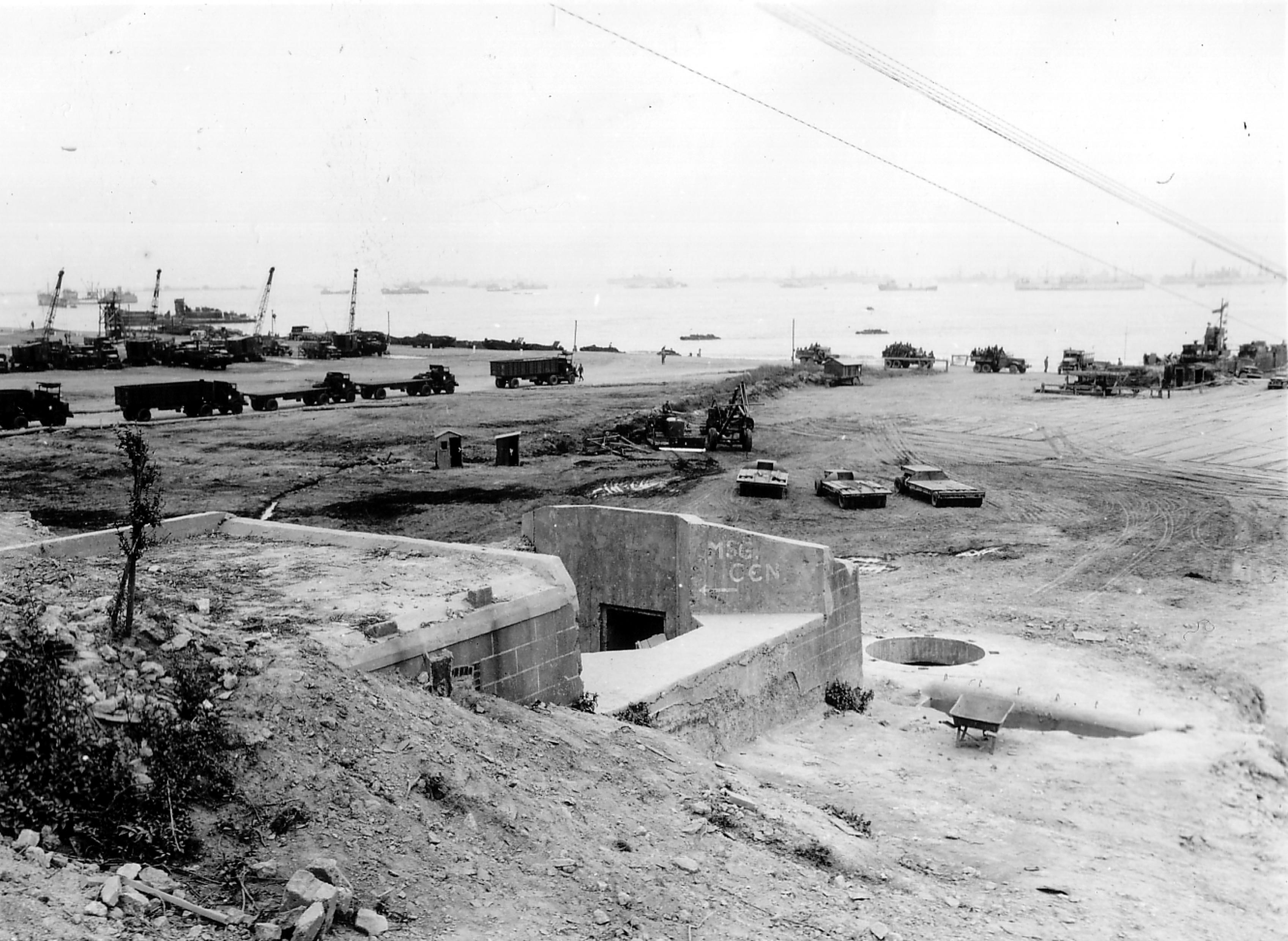
Photograph reproduced in "The port operations on land of the 2 Special Brigades of the Engineering and the 11th Port". — Yves Cordelle Collection, reference 85128.

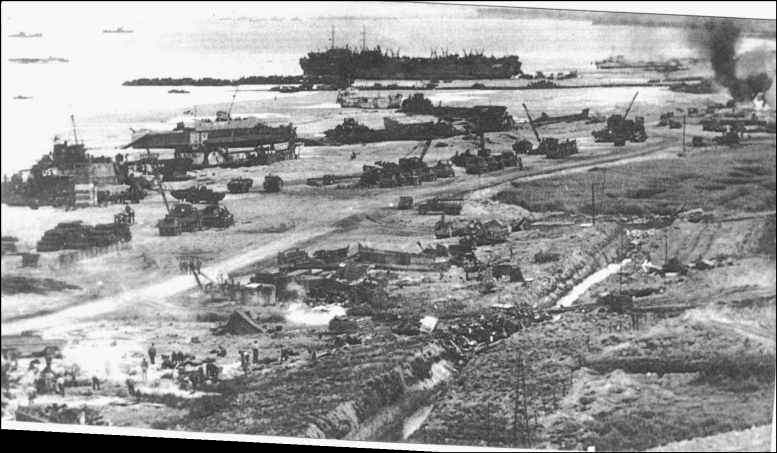
Shore operations of the Engineer Special Brigades and 11th Port

The port operations on land of the 2 Special Brigades of the Engineering and the 11th Port

128

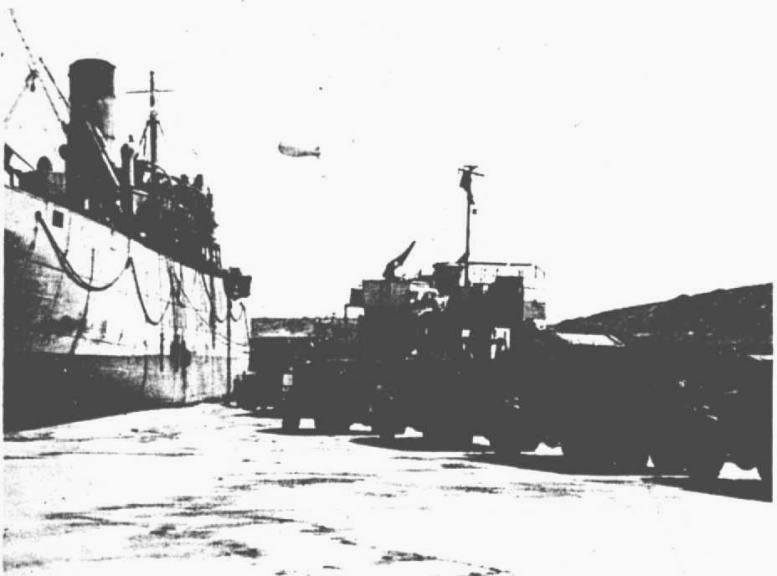
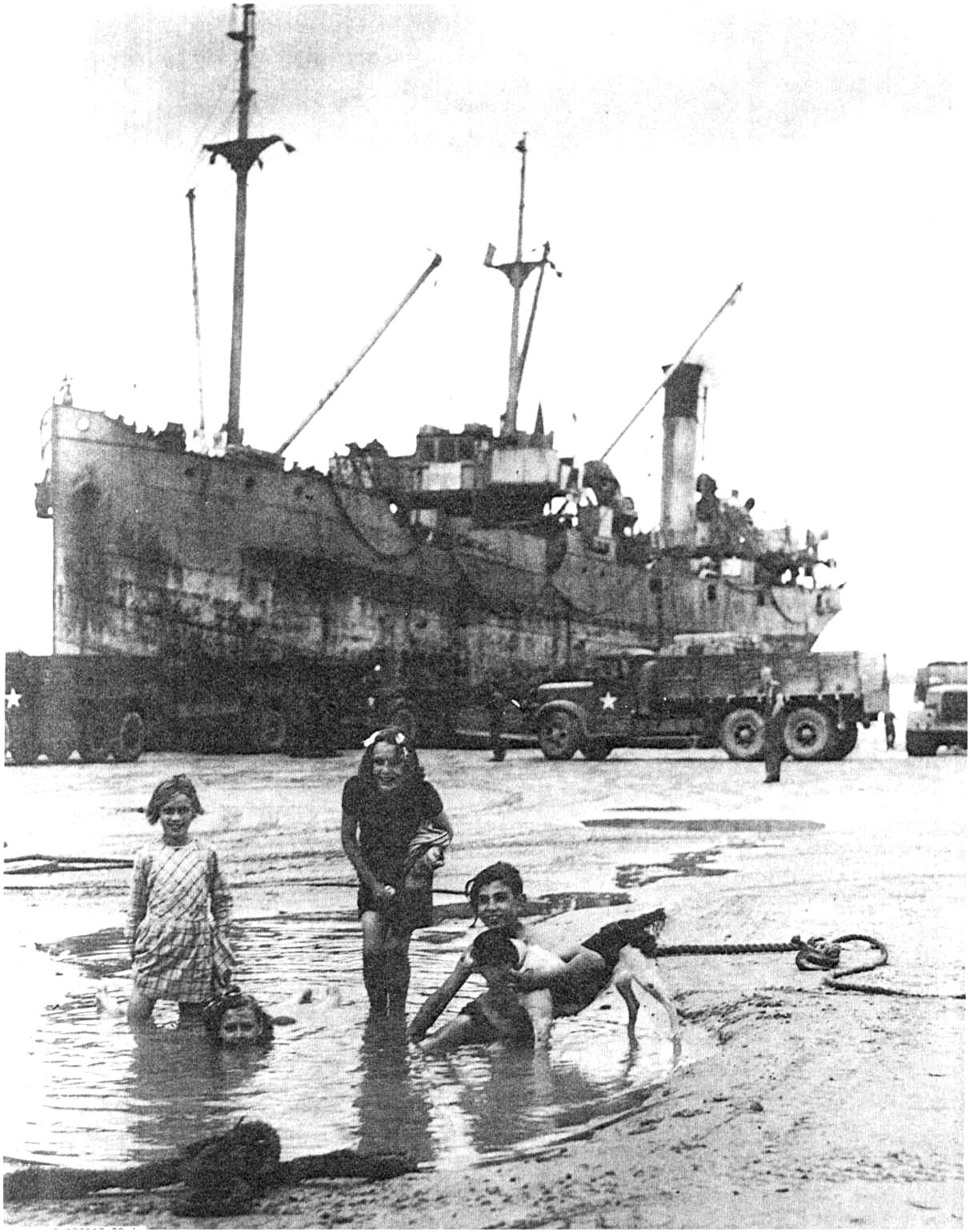
Failed and unloaded cargo directly
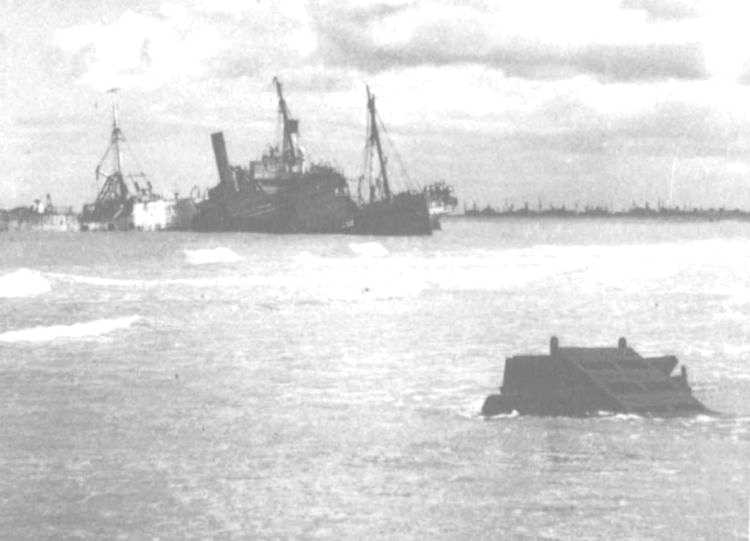
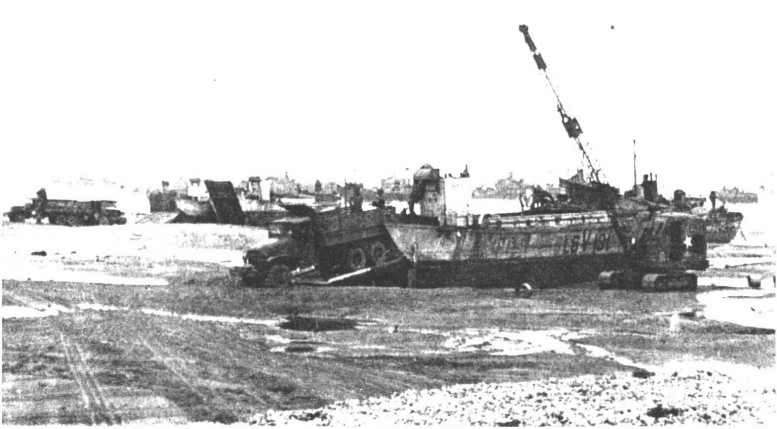
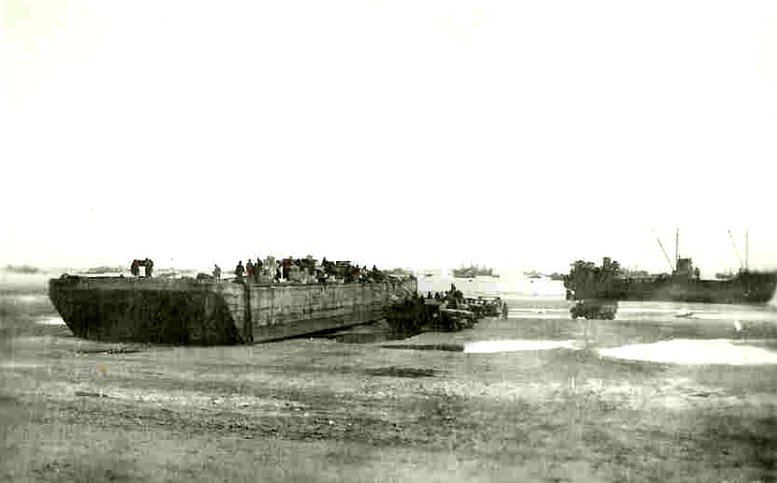
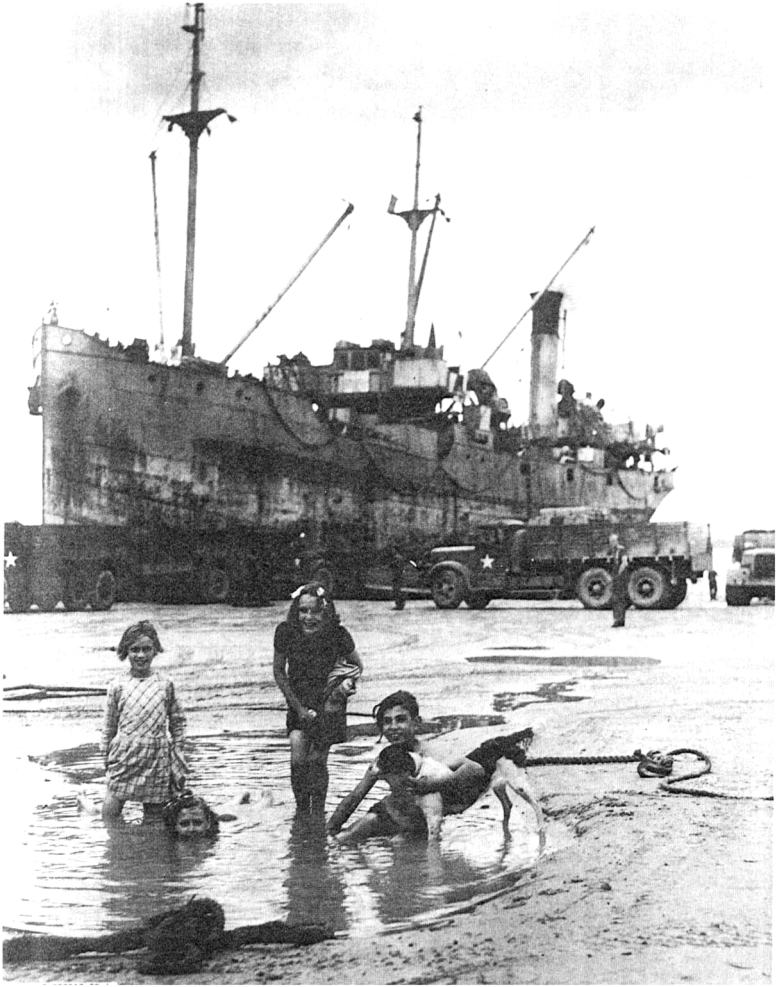
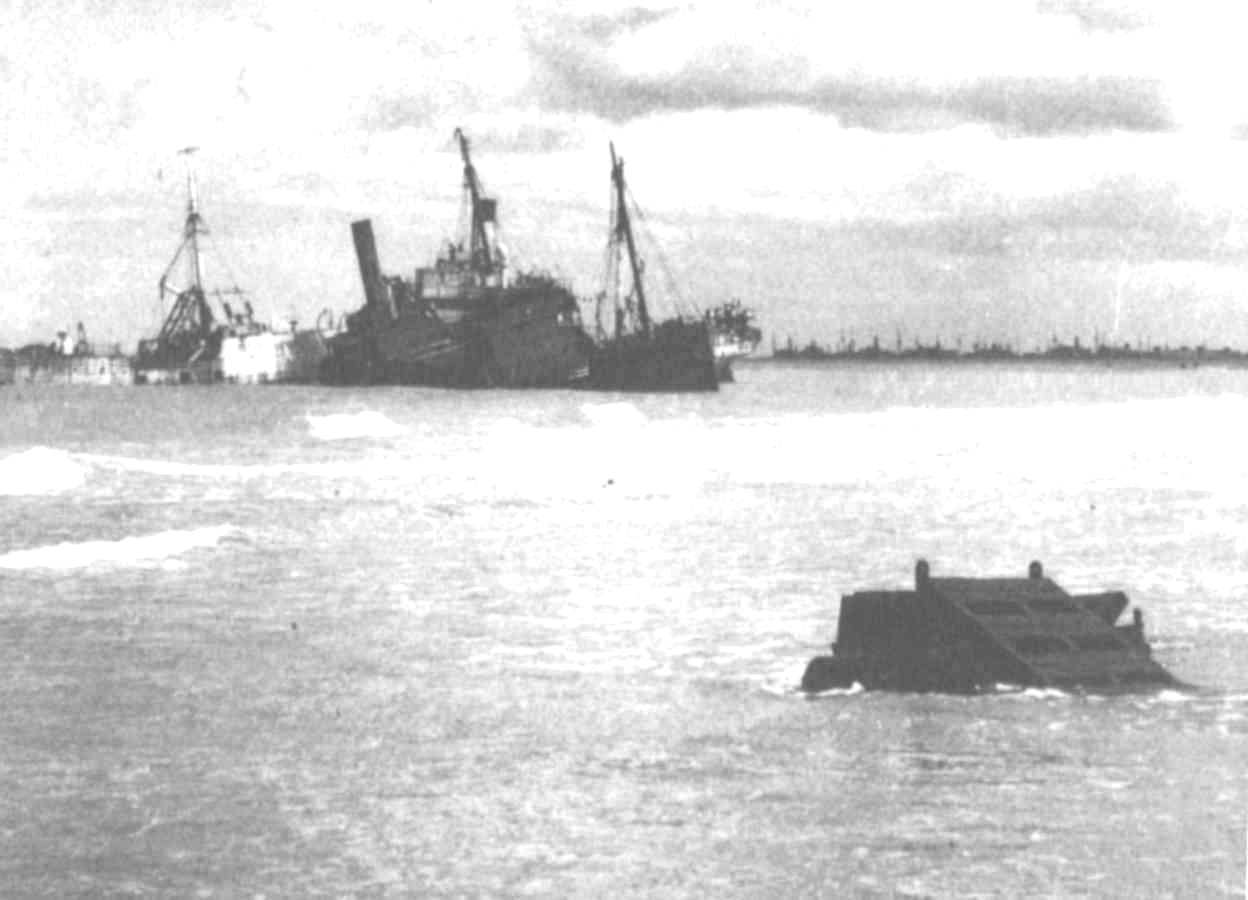
(details) 2 small coasters that have been abandoned on the beachSee this image in the photo library
(details) 2 small caboters that have been abandoned on the beach

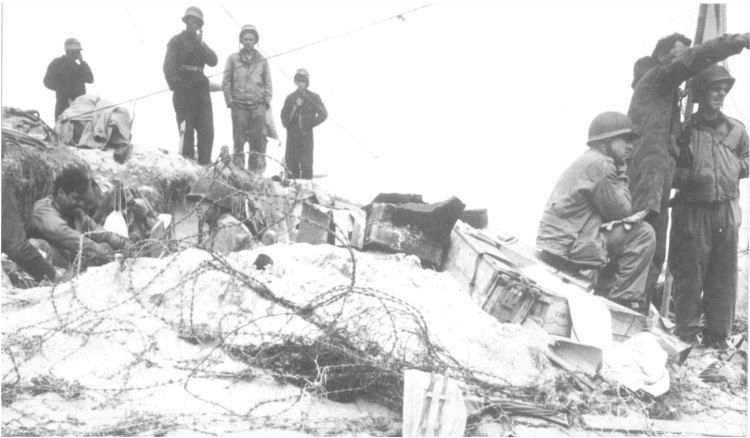
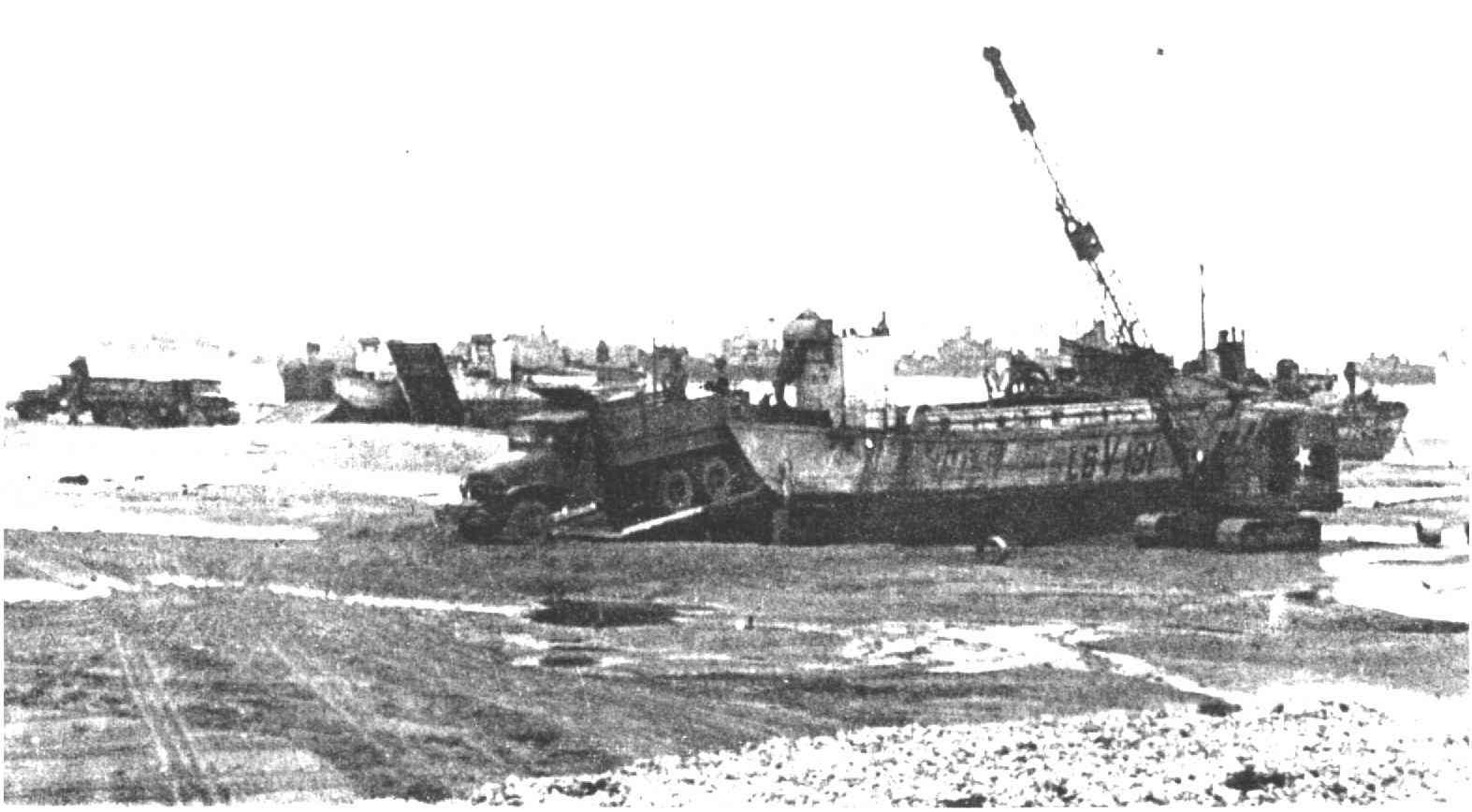
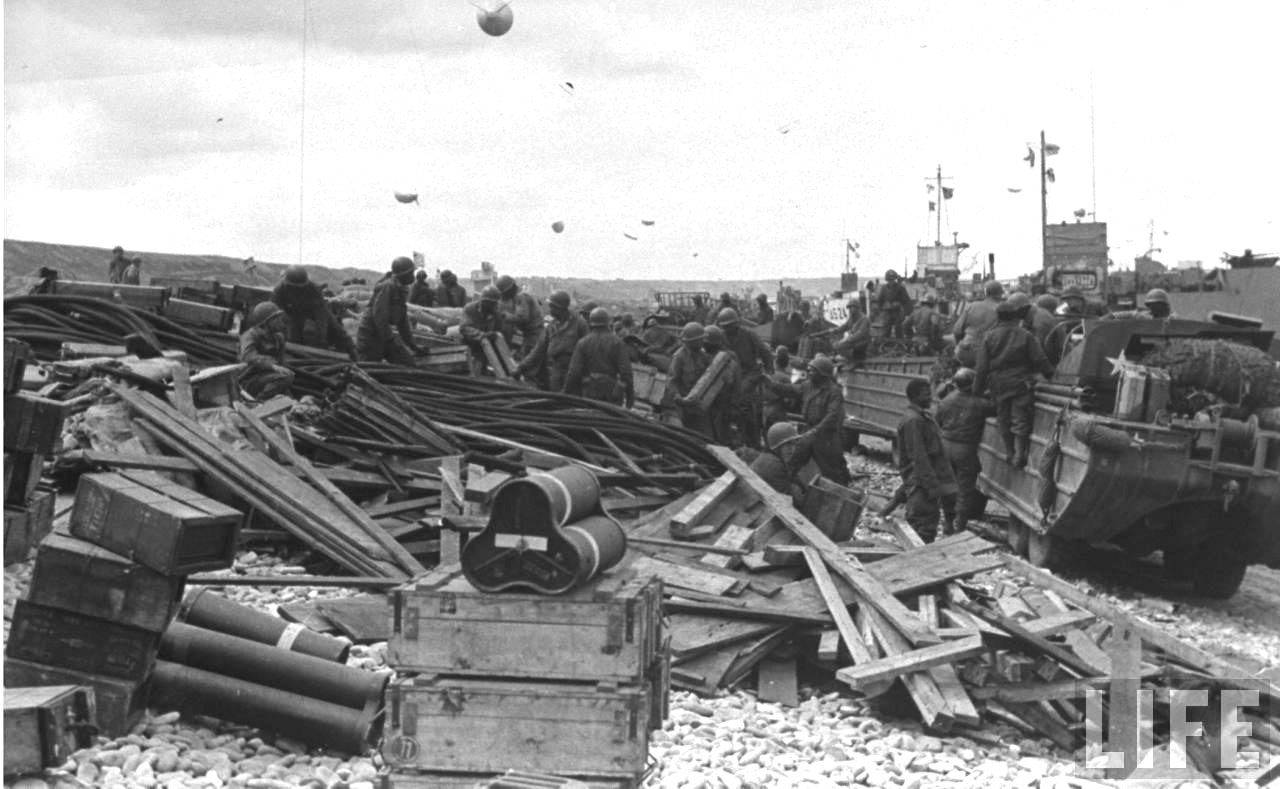
Direct discharges on the beach
from RFs or barges LBV or LBU or LCI
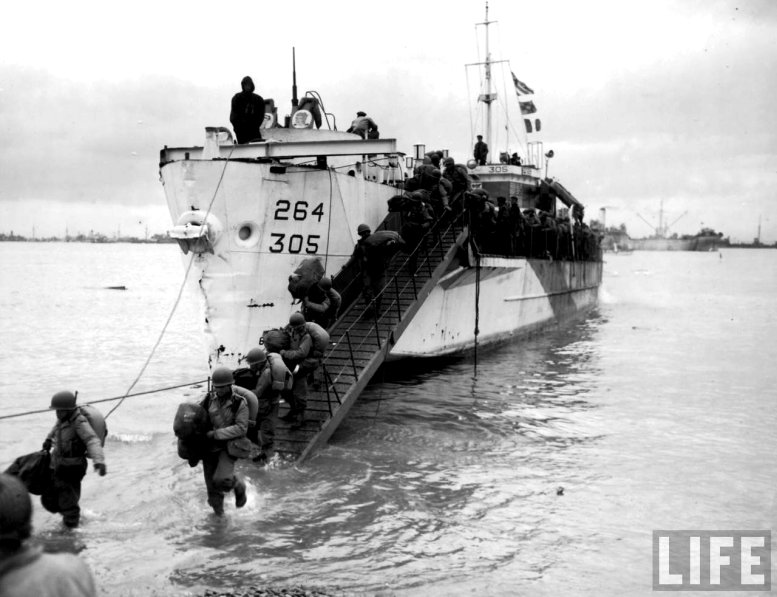
(details)See this image in the photo library
(details)
(details)See this image in the photo library
(details)
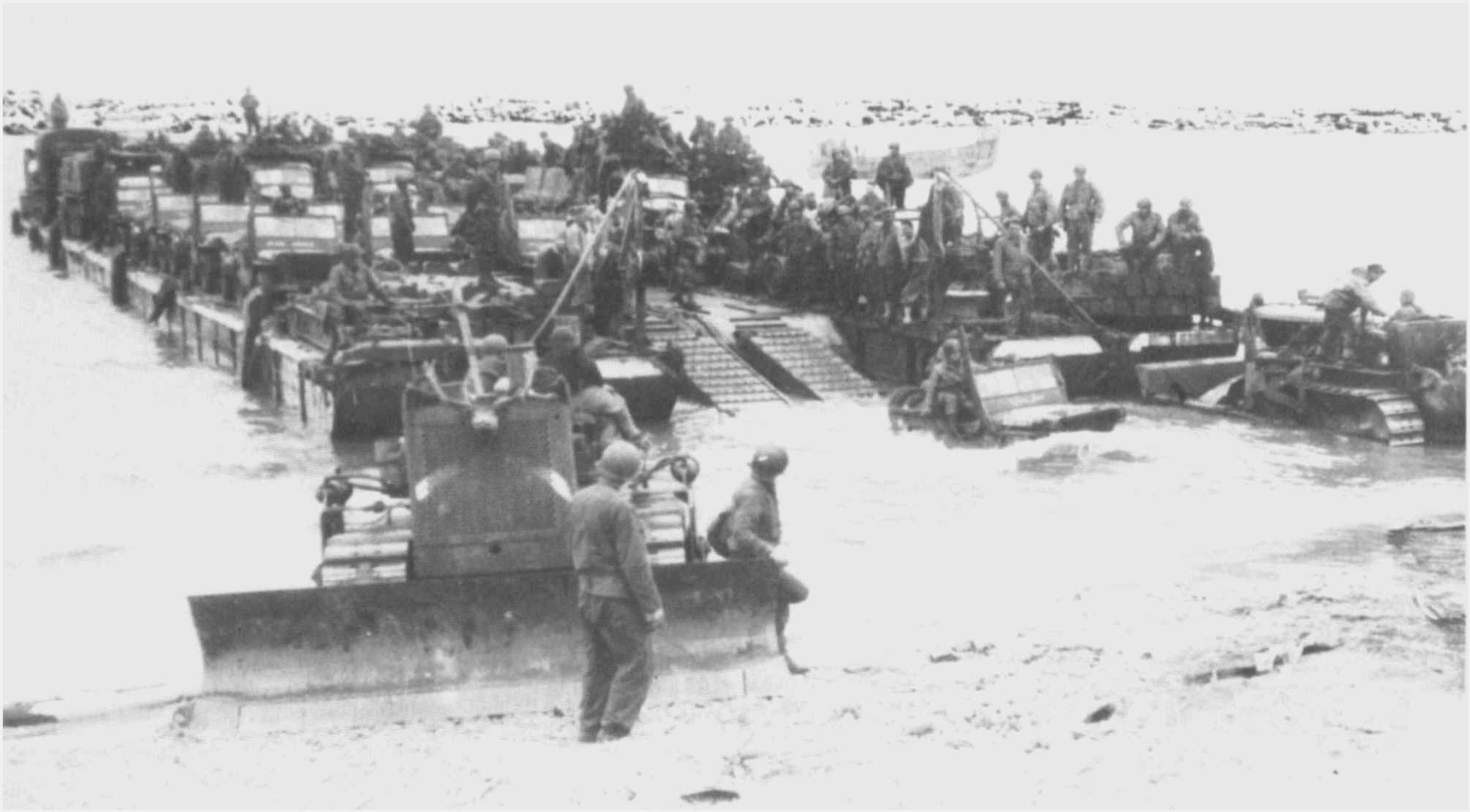
(details) A rhinoferry docks directly on the beach, held in place by track tractorsSee this image in the photo library
(details) A rhinoferry docks directly on the beach, held in place by track tractors
Collection document: Shore operations of the Engineer Special Brigades and 11th PortSee this image in the photo library
a stranded bargeSee this image in the photo library
a stranded barge

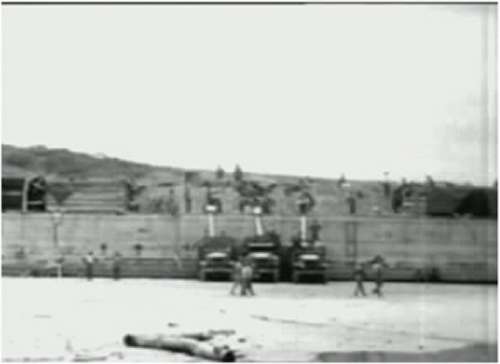
Causeways

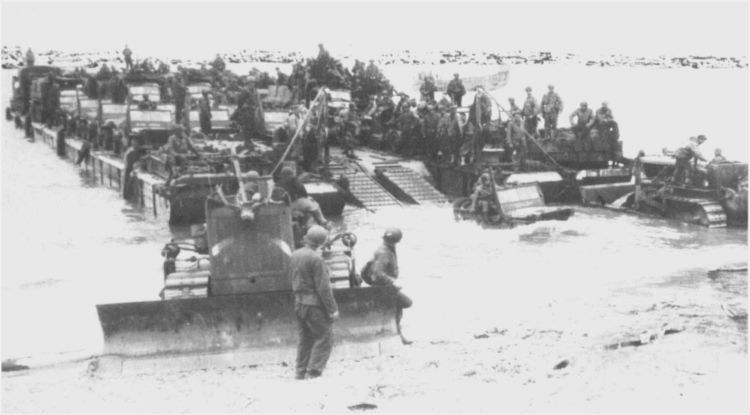
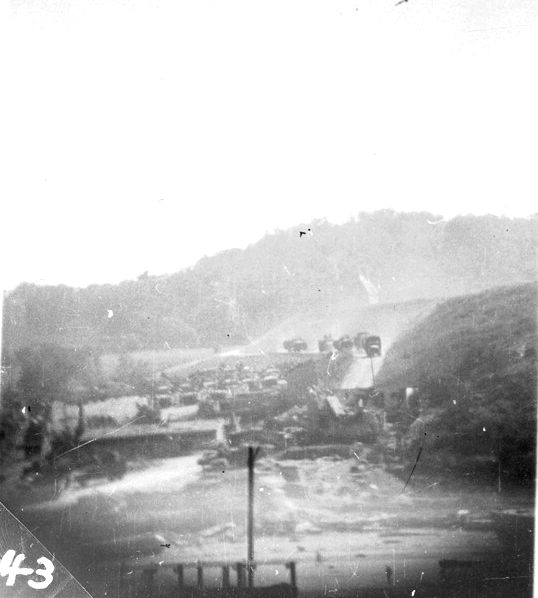
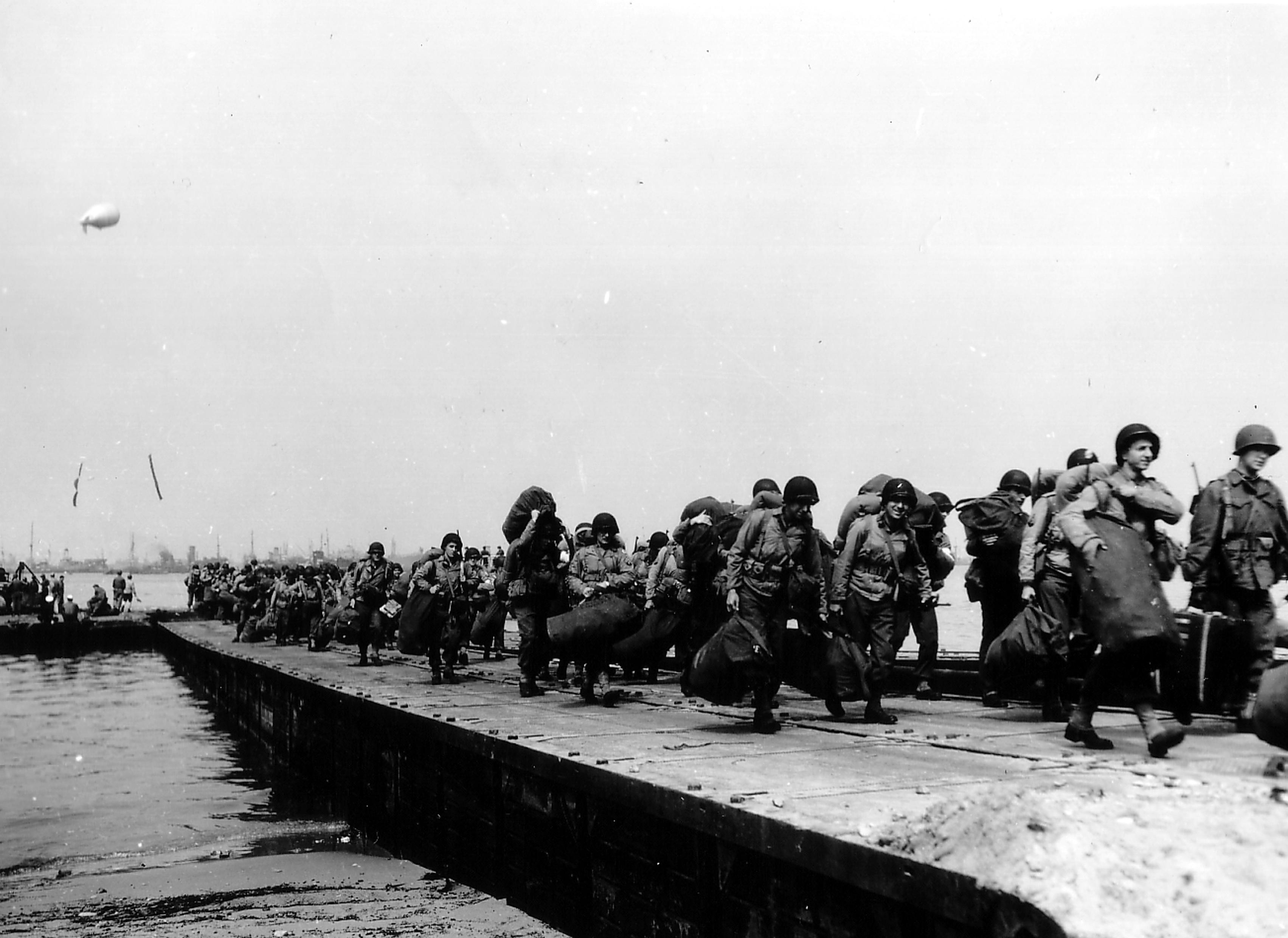
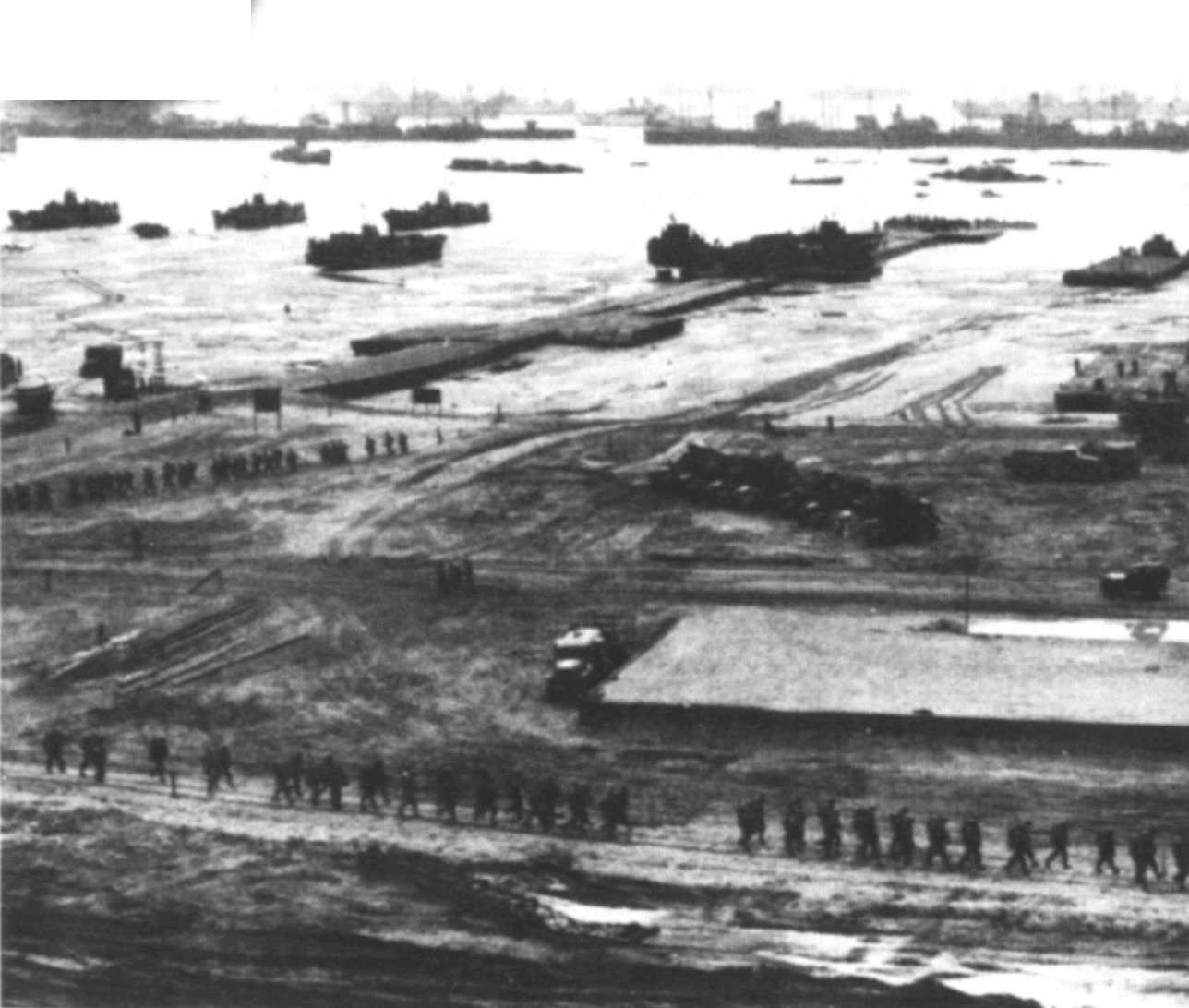
These floating carriageways, built and attached to the strike and made of assembled metal casings, are used to unload LCT, Rhino and LCM
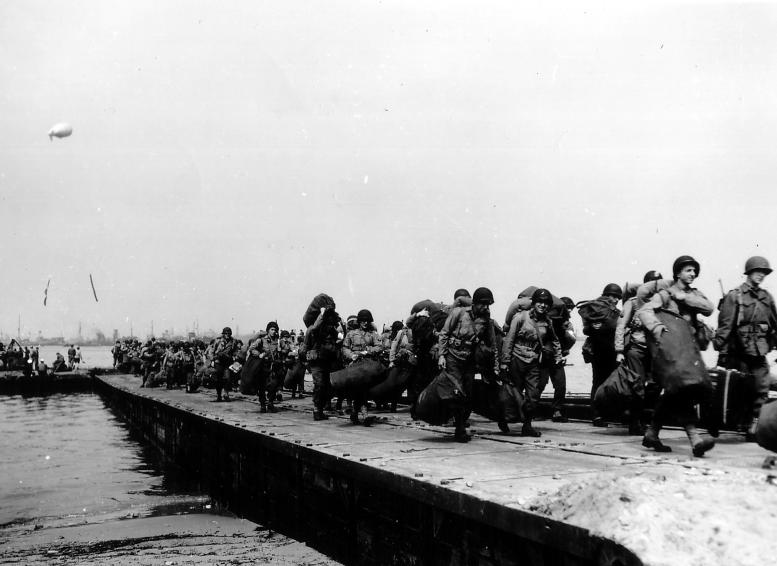
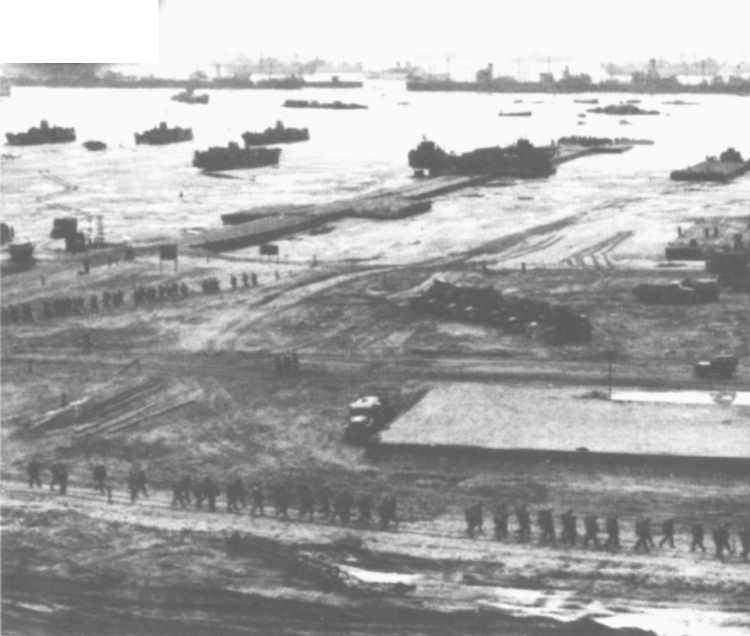
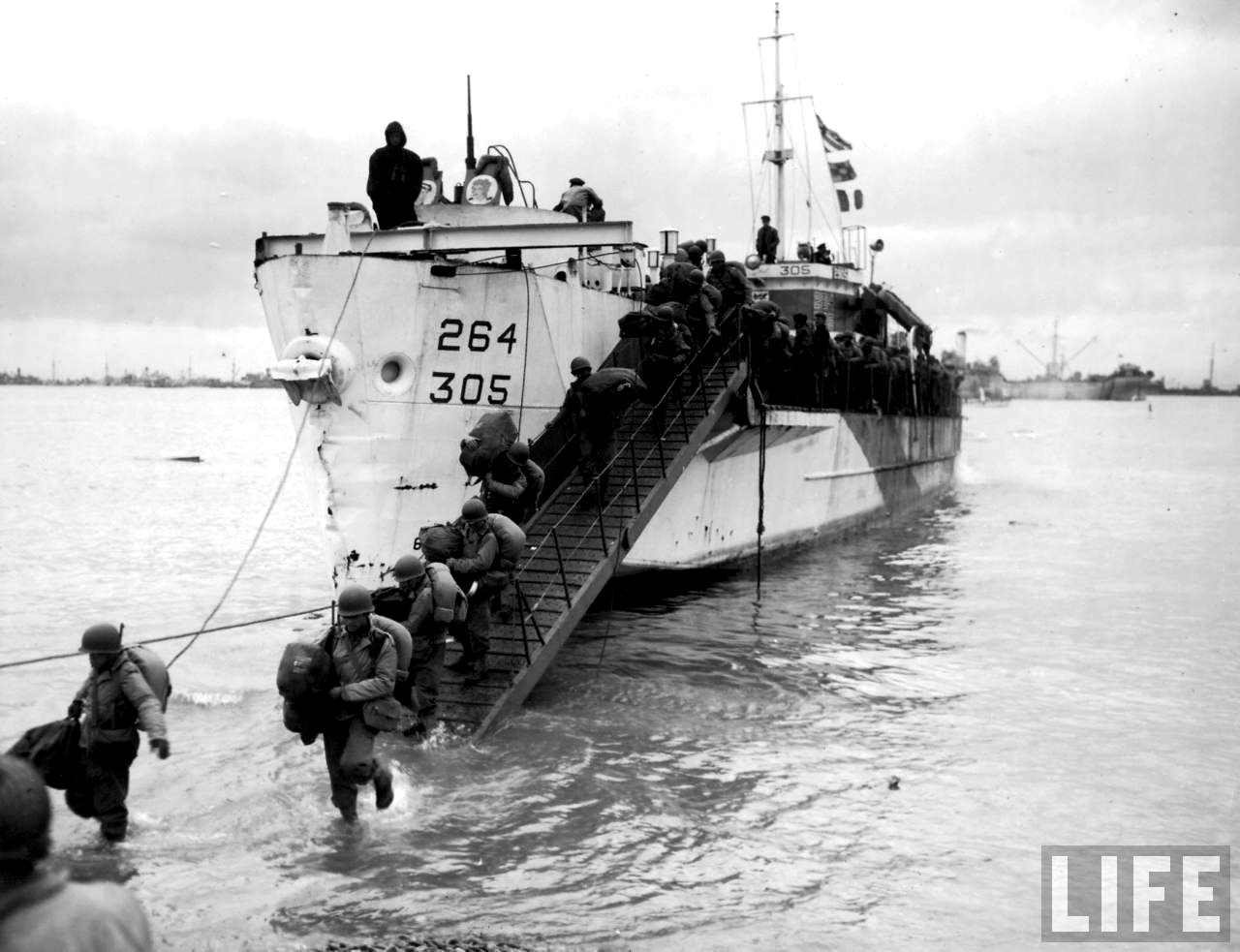
(details) Soldiers just landed on causewaySee this image in the photo library · Best resolution: 4000 × 3097 pixels
(details) Soldiers just landed on the causeway
(details) The west road ahead of the RuquetSee this image in the photo library
(details) The west road in front of the Ruquet
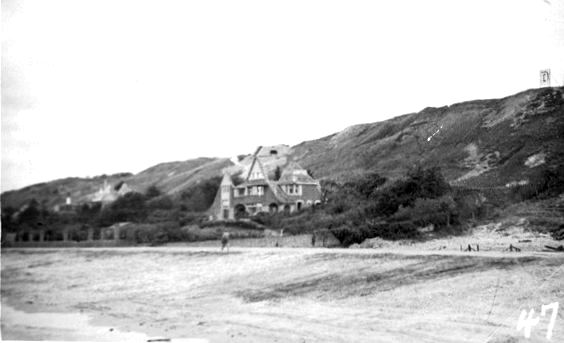
The Hardelay villa, notice the sand and pebble slope against the dike, and the sign sign on the cliff (limit Dog Green/Dog White)See this image in the photo library
The Hardelay villa, notice the sand and pebble slope against the dike, and the sign sign on the cliff (limit Dog Green/Dog White)

Posts for redeployment
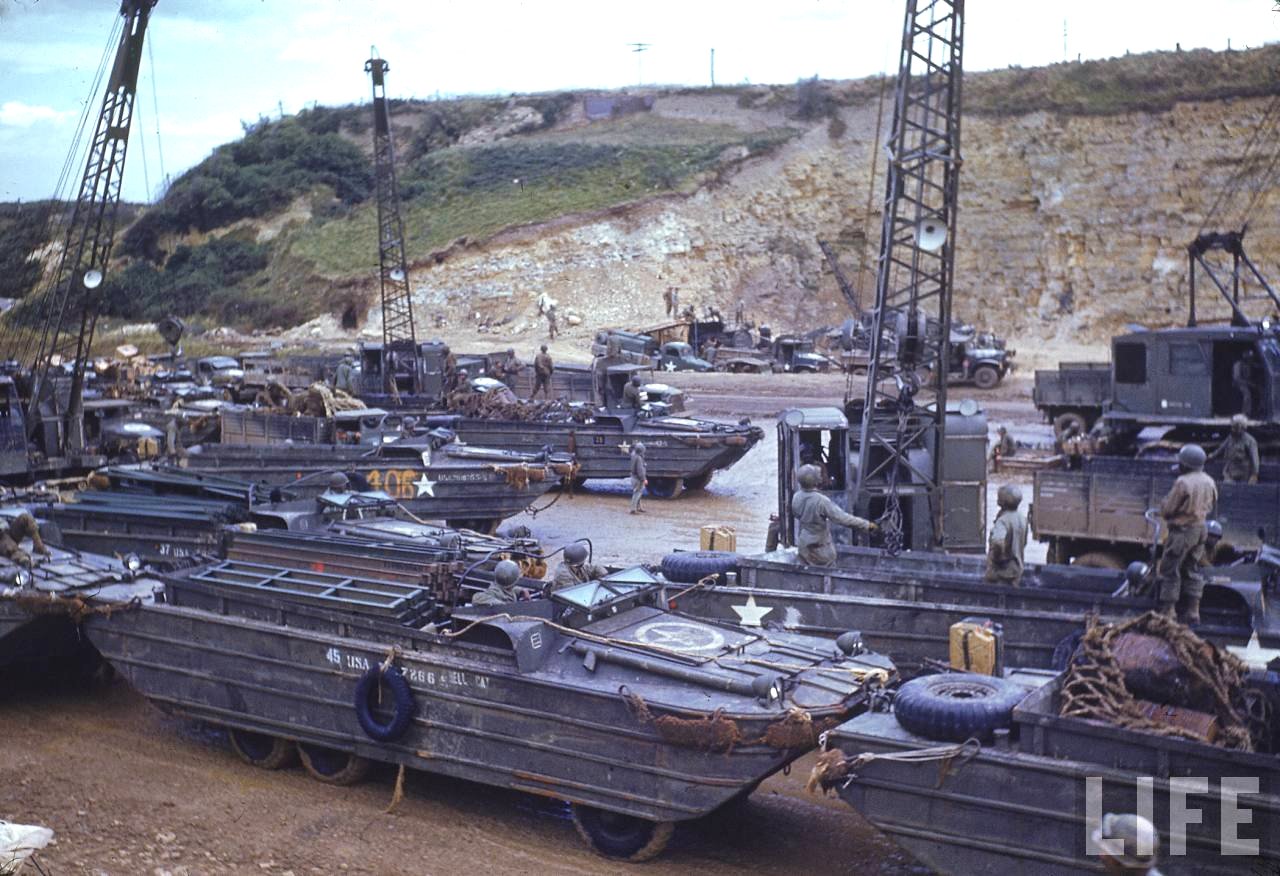
ducks/trucks

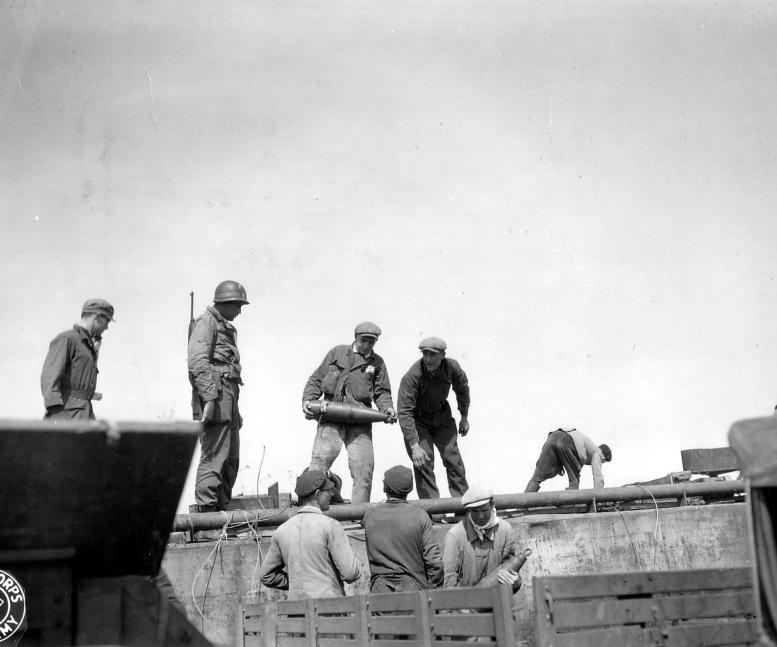
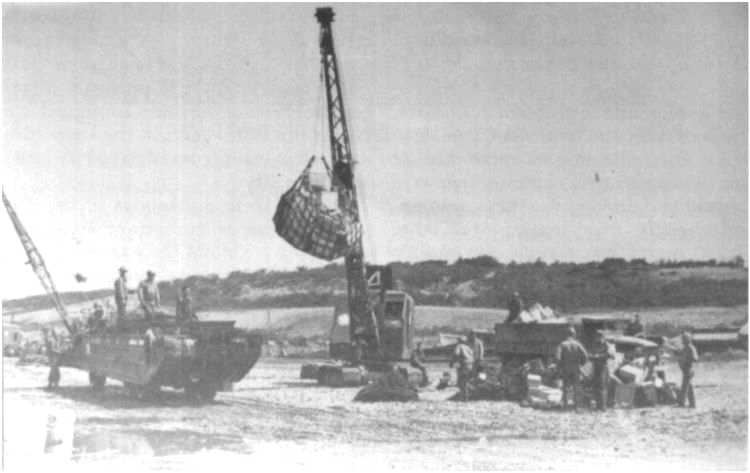
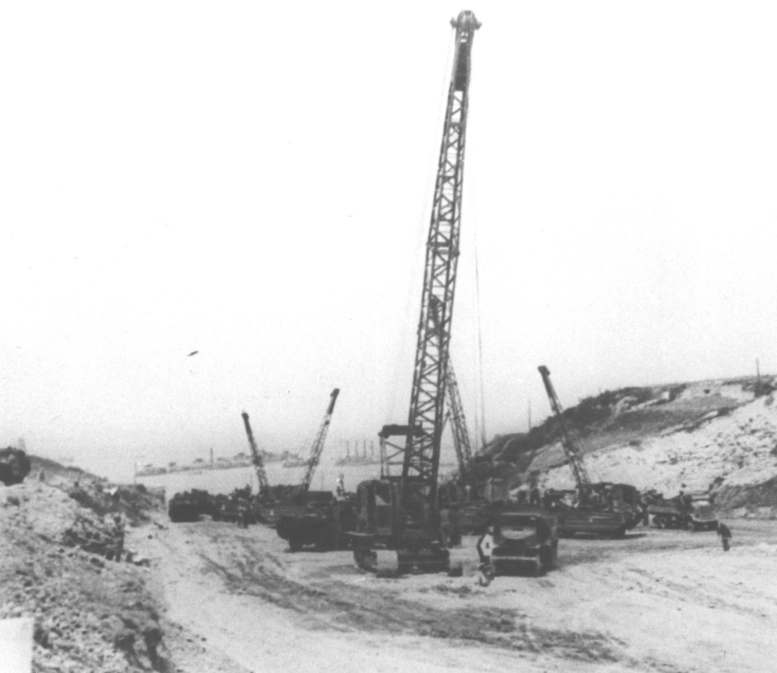
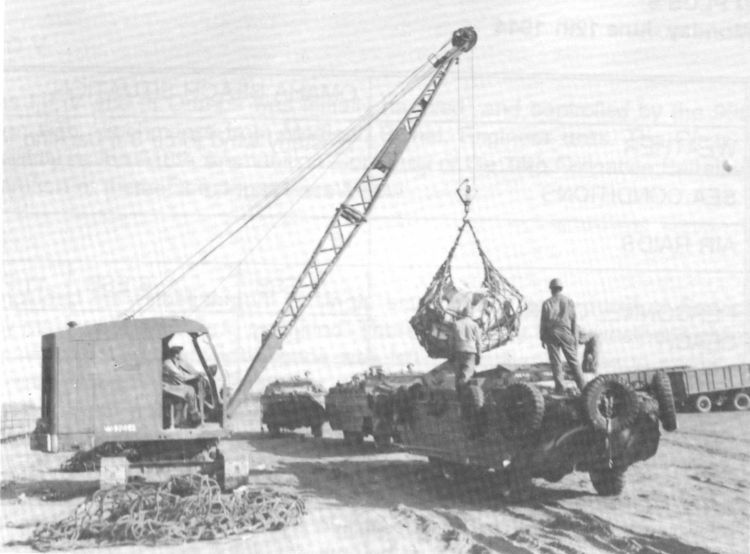
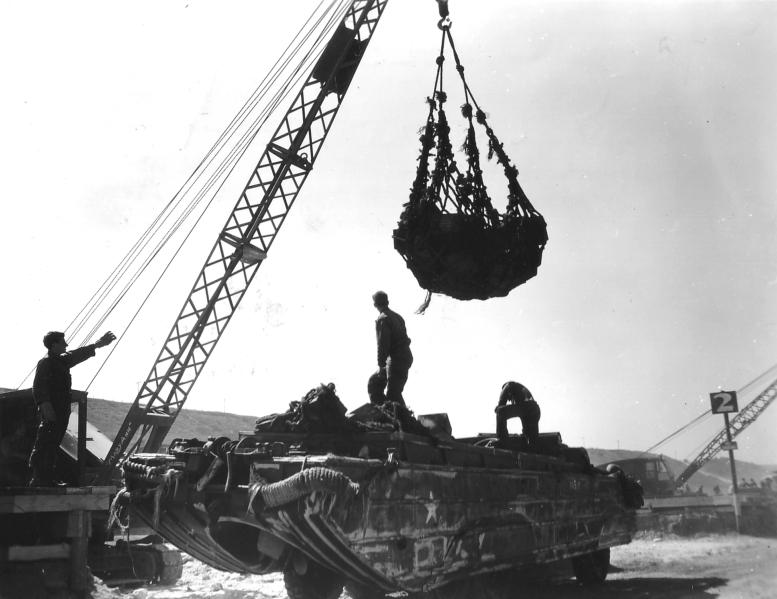
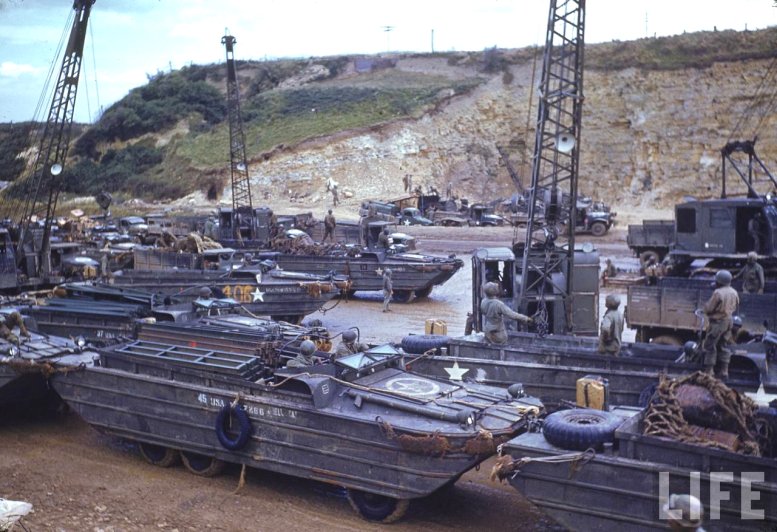
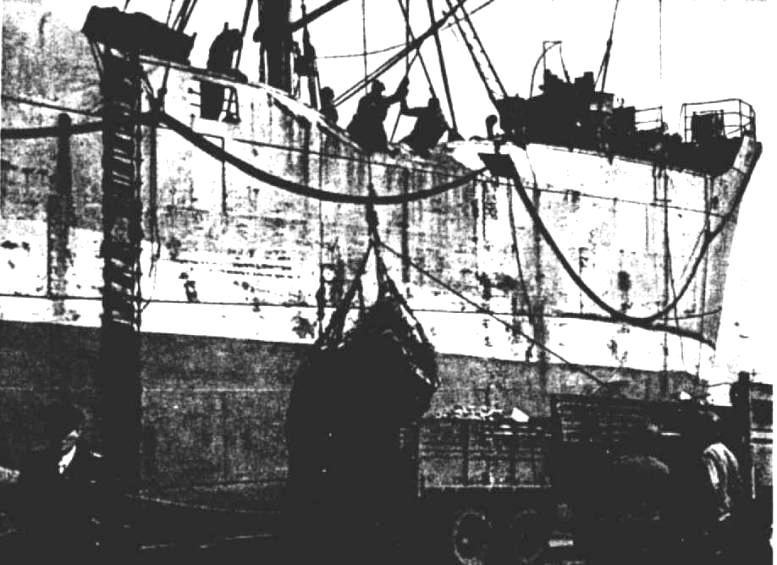
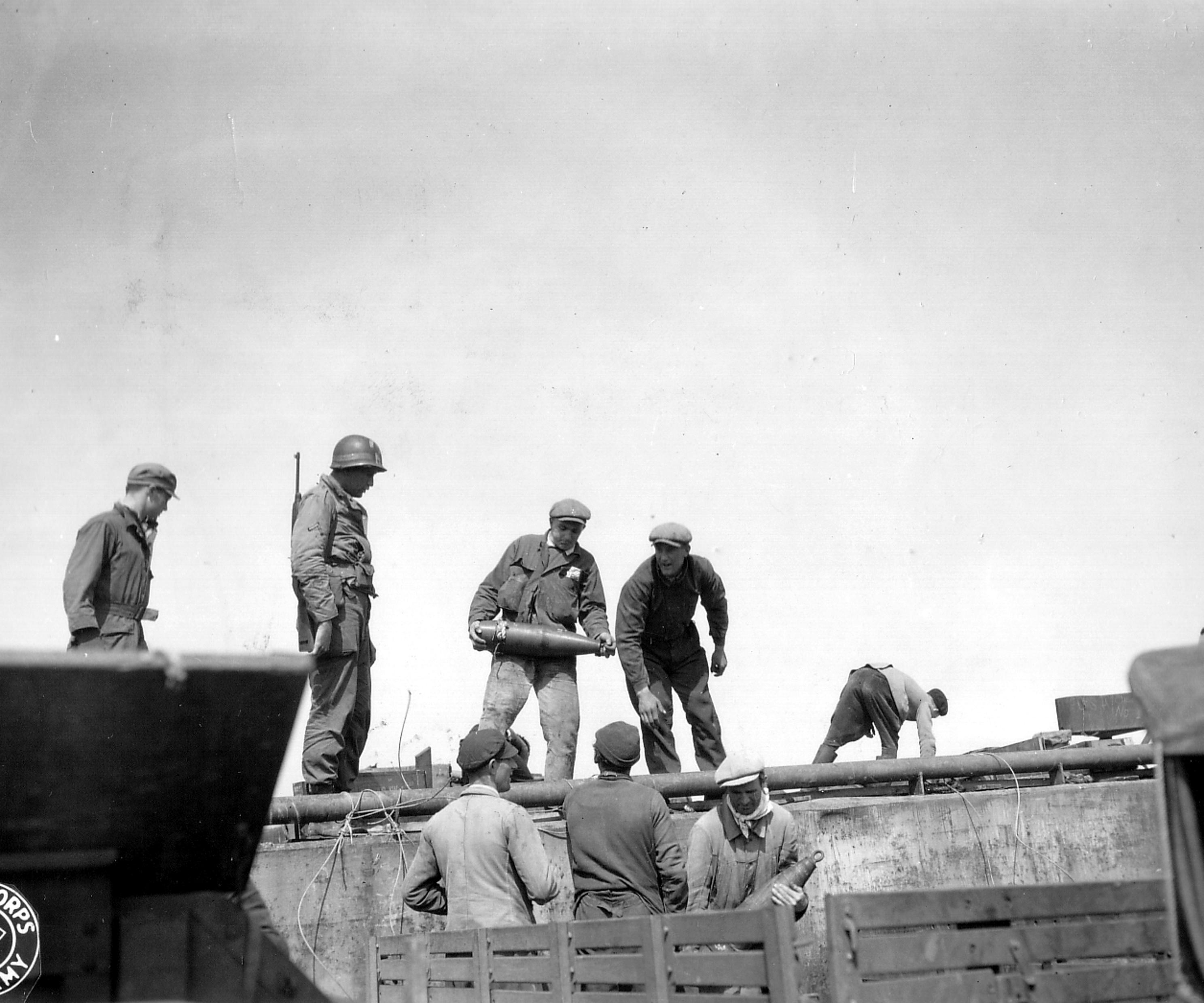
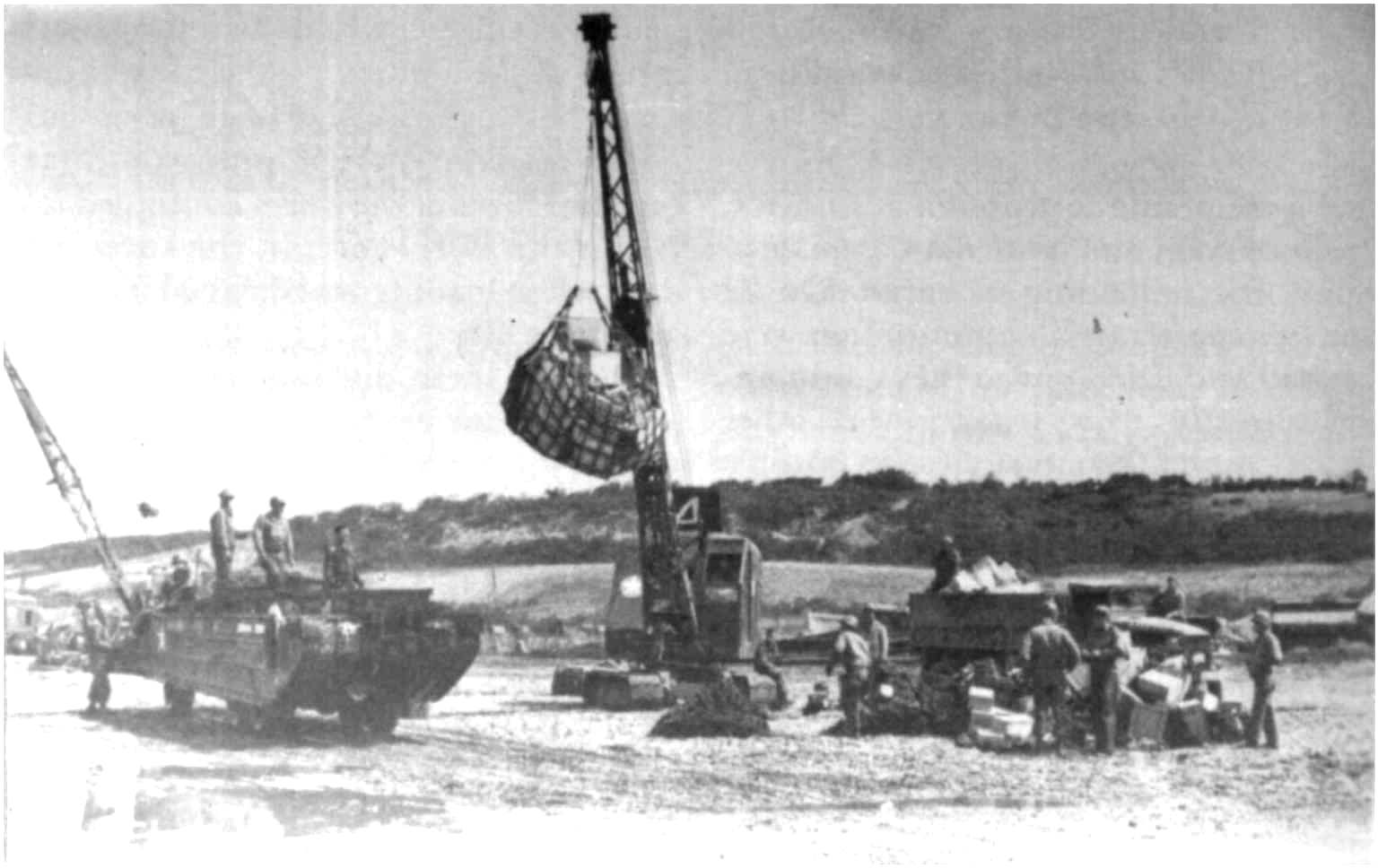
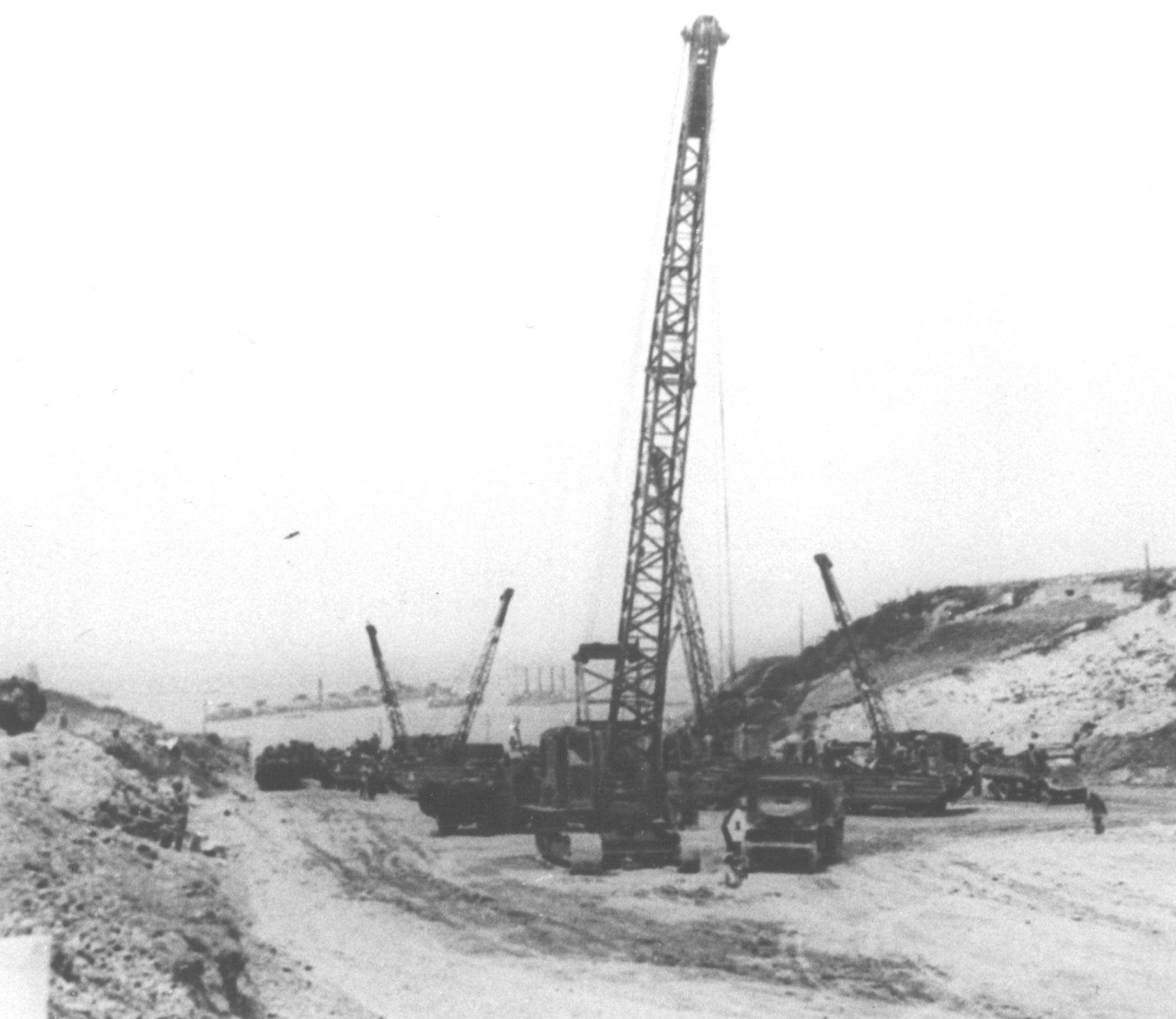
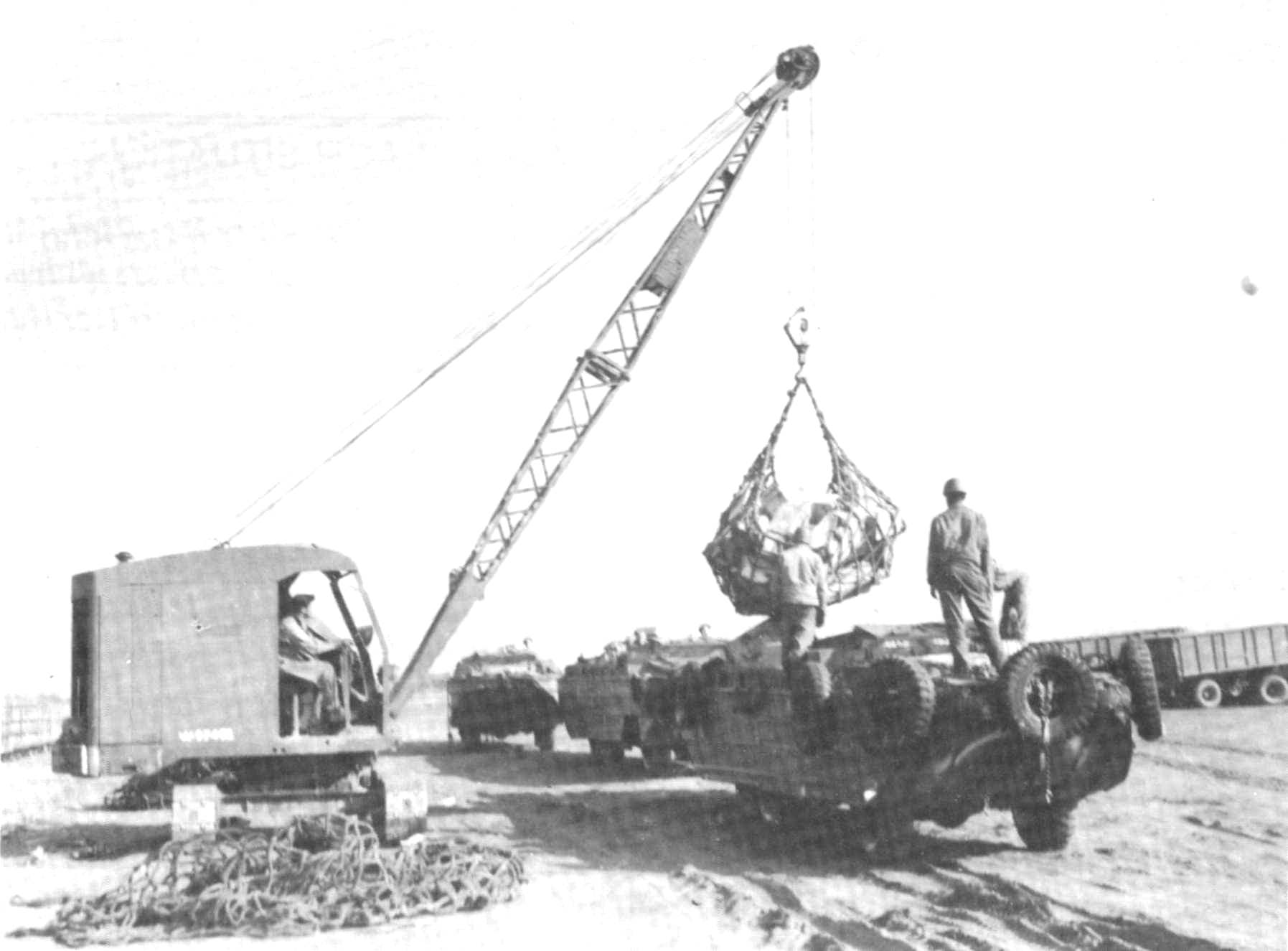
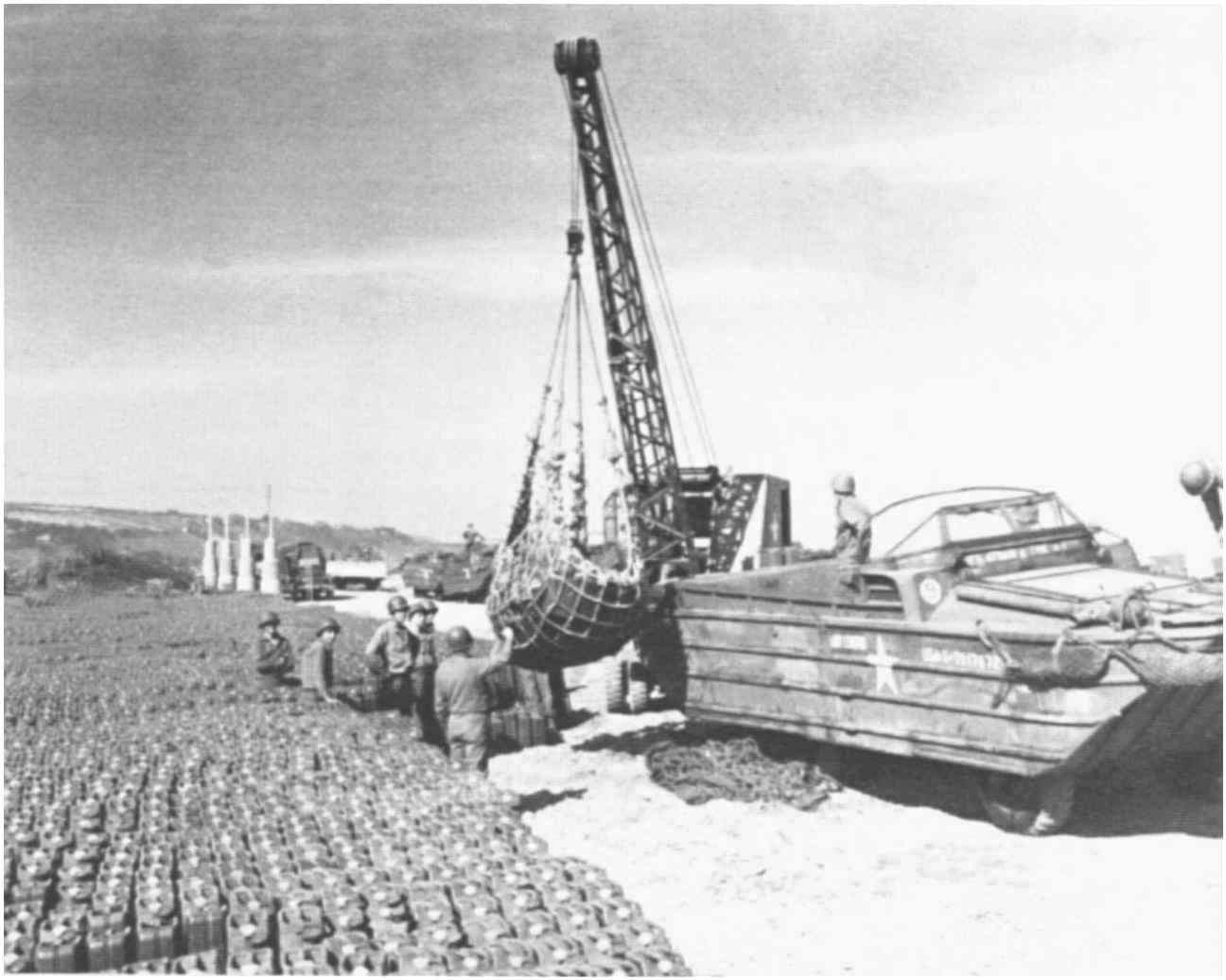
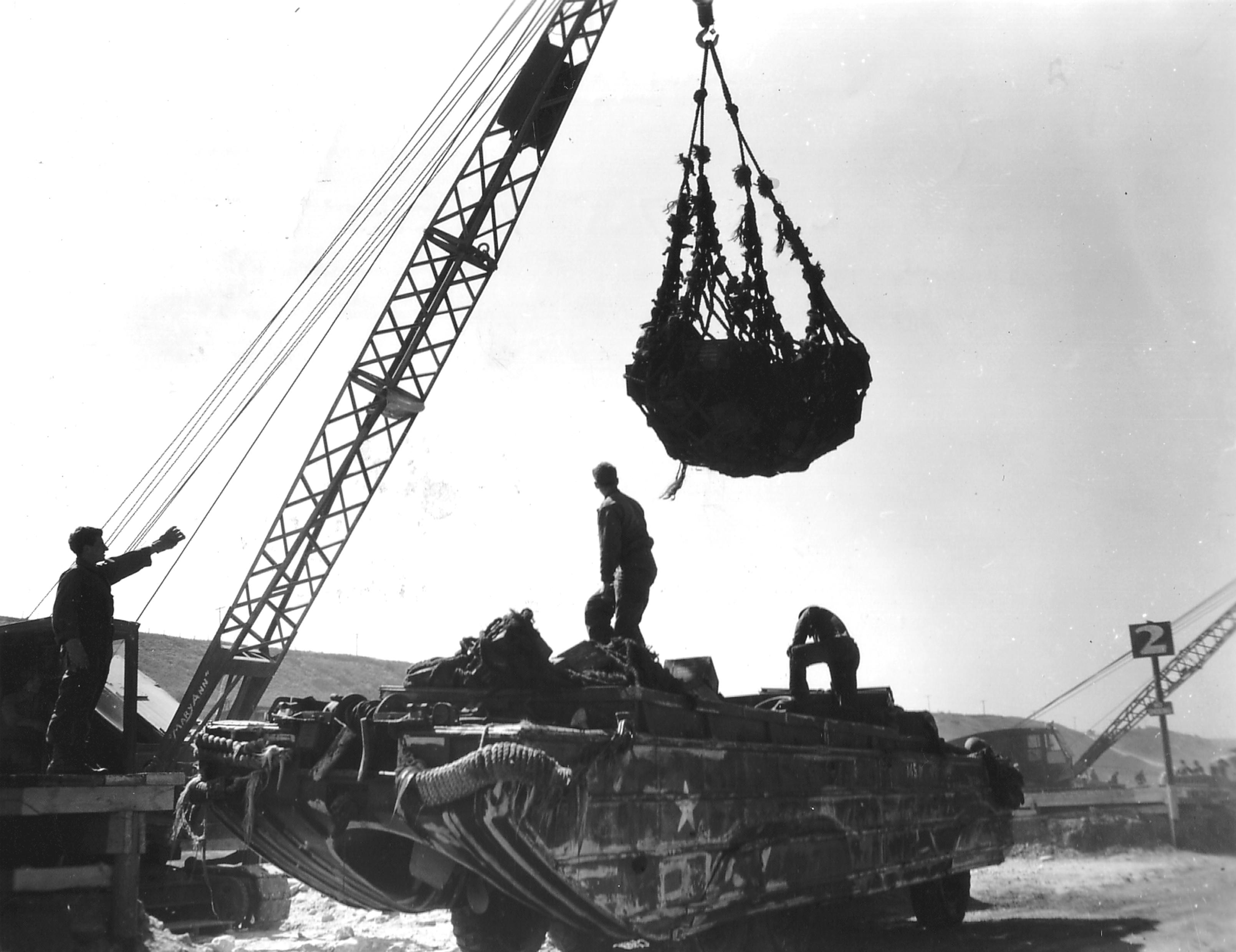
The ducks were loaded at sea with the cargo ships (the dockers, handlers and attendants of the loading masts were soldiers of the Port Companies). The ducks were then unloaded on land by engineering track cranes in trucks that delivered the equipment to the depots located in inland requisitioned grasslands.
Since ducks were the rarest material, everything had to be organized so that they waited as little as possible.

Illustration not available in the transmitted fund.
(details) the transfer post of St Laurent
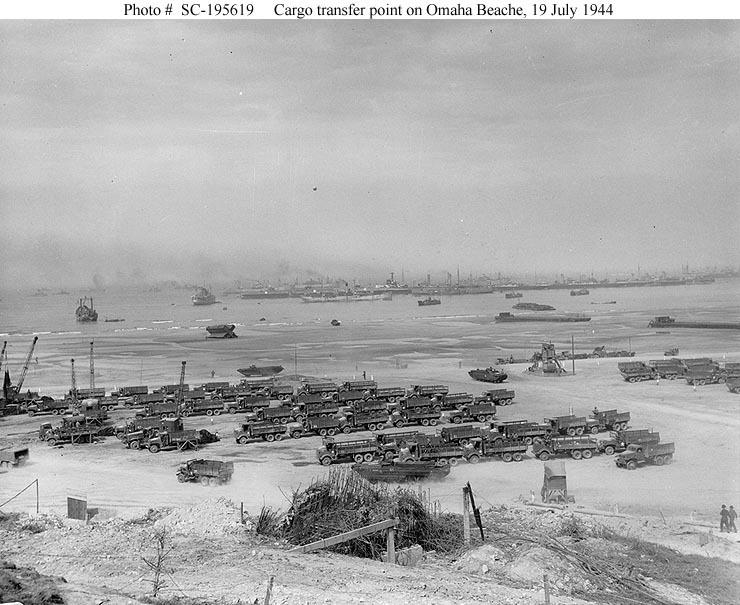
The ducks were loaded at sea with the cargo ships (the dockers, handlers and attendants of the loading masts were soldiers of the Port Companies). The canarSee this image in the photo library
The ducks were loaded at sea with the cargo ships (the dockers, handlers and attendants of the loading masts were soldiers of the Port Companies). The canarSee this image in the photo library · Best resolution: 3918 × 3148 pixels
(details) on D3 (St-Laurent) a transfer post
The ducks were loaded at sea with the cargo ships (the dockers, handlers and attendants of the loading masts were soldiers of the Port Companies). The canarSee this image in the photo library
(details)
(details) the transfer post of the descent of ViervilleSee this image in the photo library
(details) the transfer post of the descent of Vierville
(details)See this image in the photo library
(details)
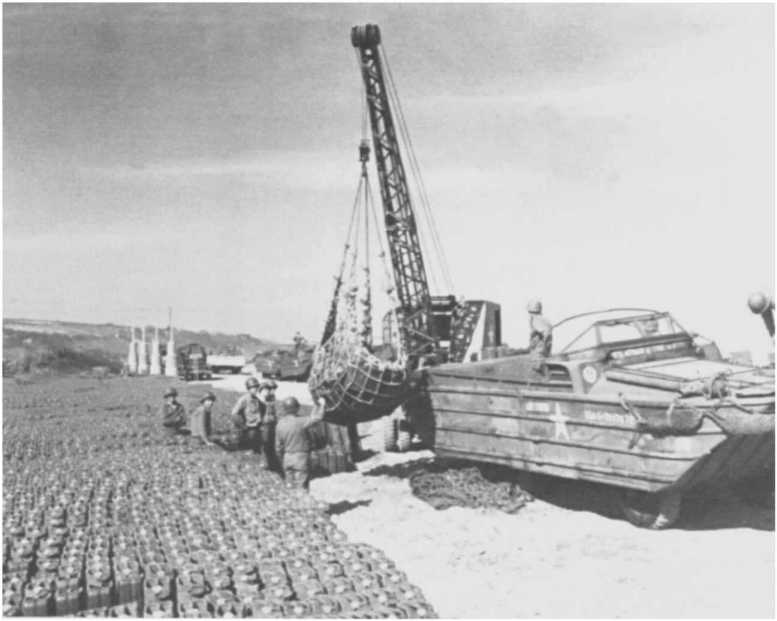
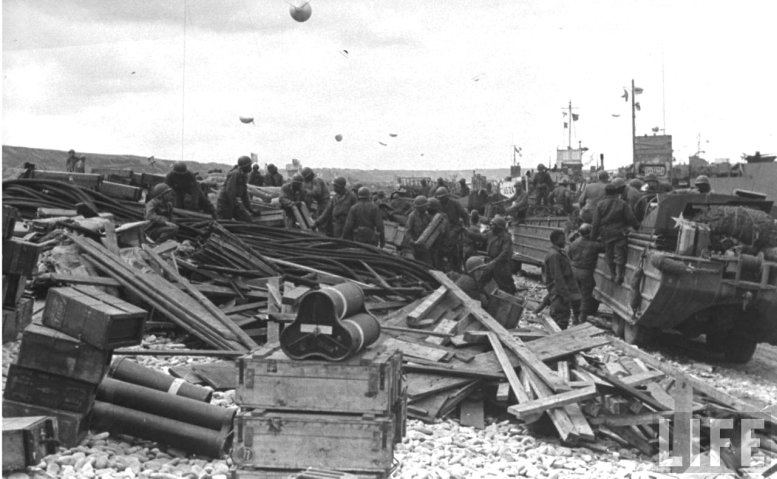
(details) Discharge of petrol jerricansSee this image in the photo library
(details) Discharge of petrol jerricans
(details)See this image in the photo library · Best resolution: 3956 × 3229 pixels
(details)
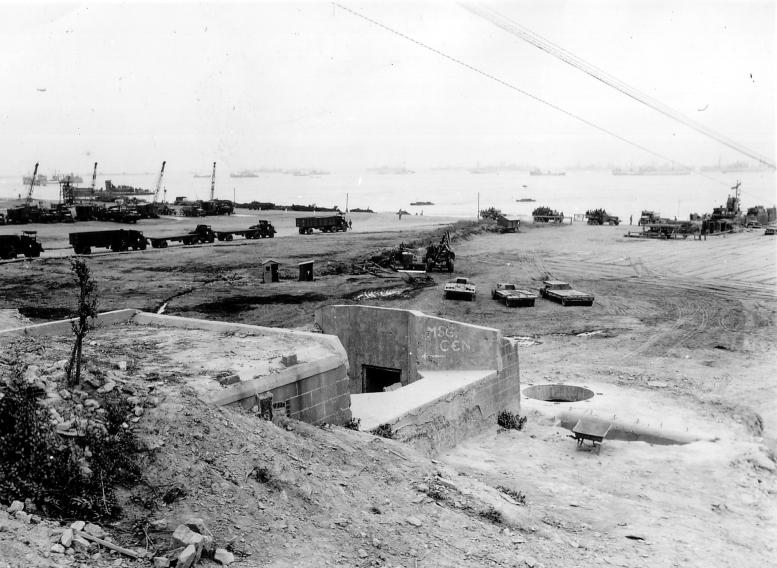
The transfer station in front of the RuquetSee this image in the photo library
The transfer station in front of the Ruquet
(details)See this image in the photo library
(details)

Marking of beaches

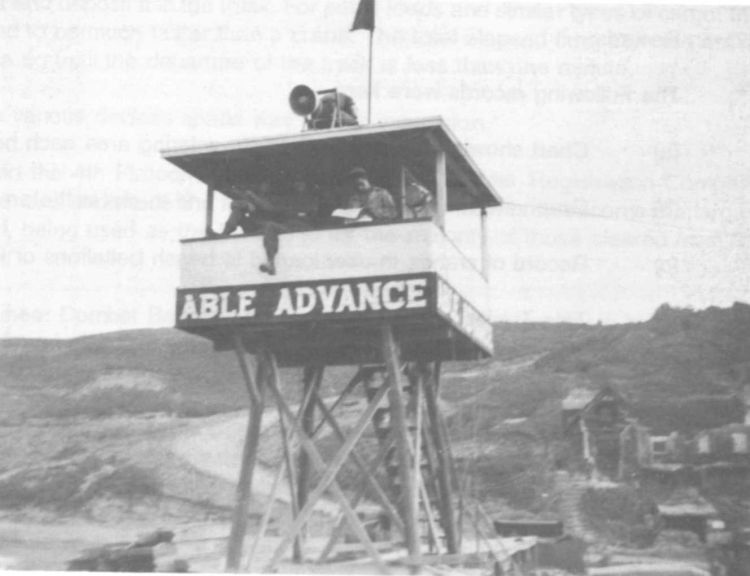
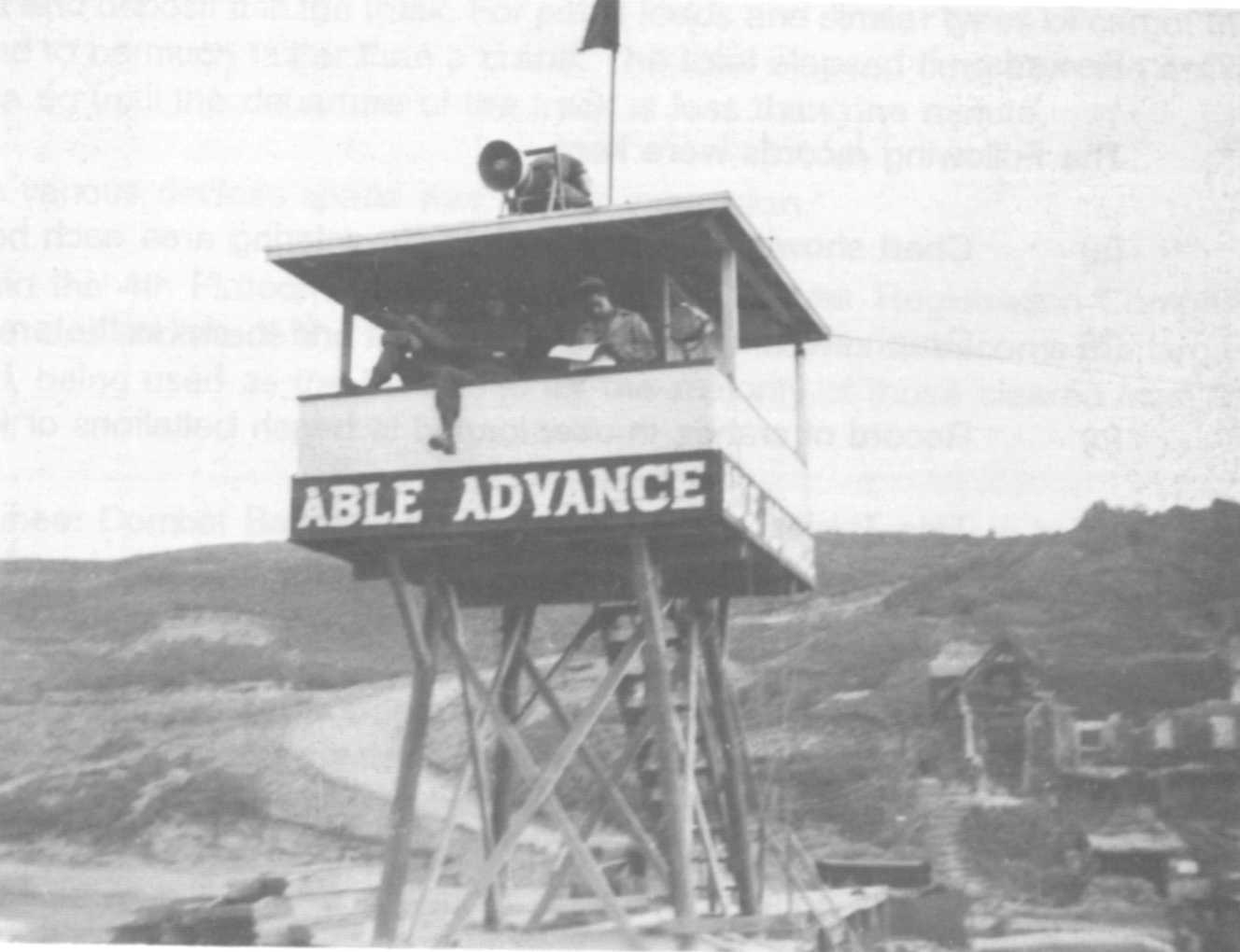
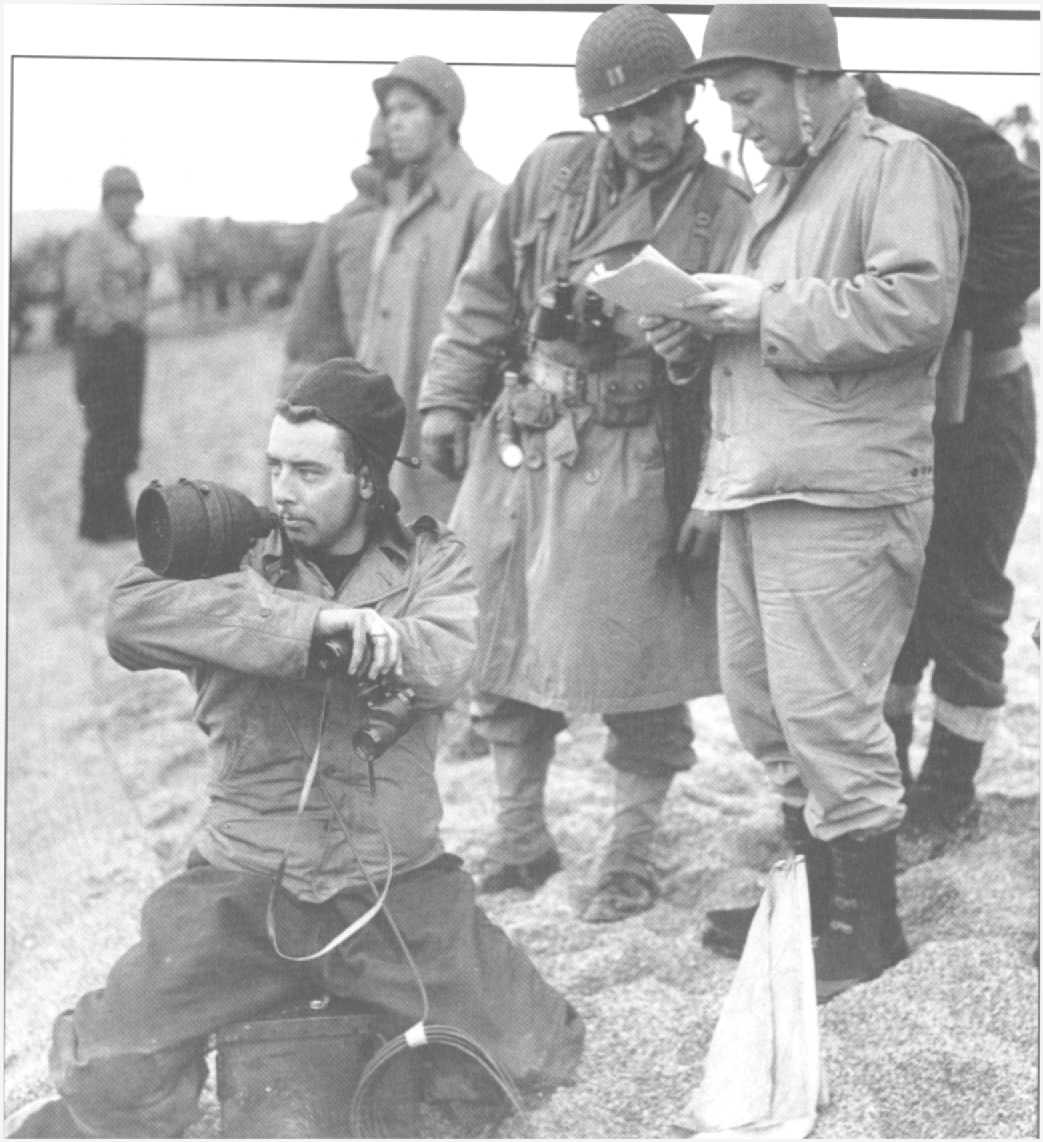
(details) Tracing towerSee this image in the photo library
(details) Tracing tower
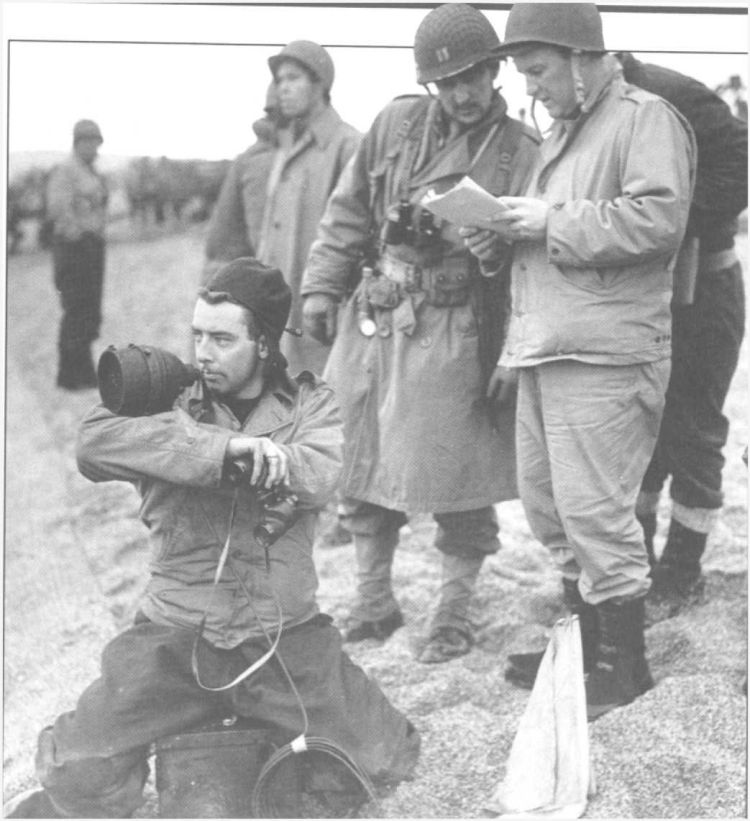
(details) A signaler at workSee this image in the photo library
(details) A signaler at work
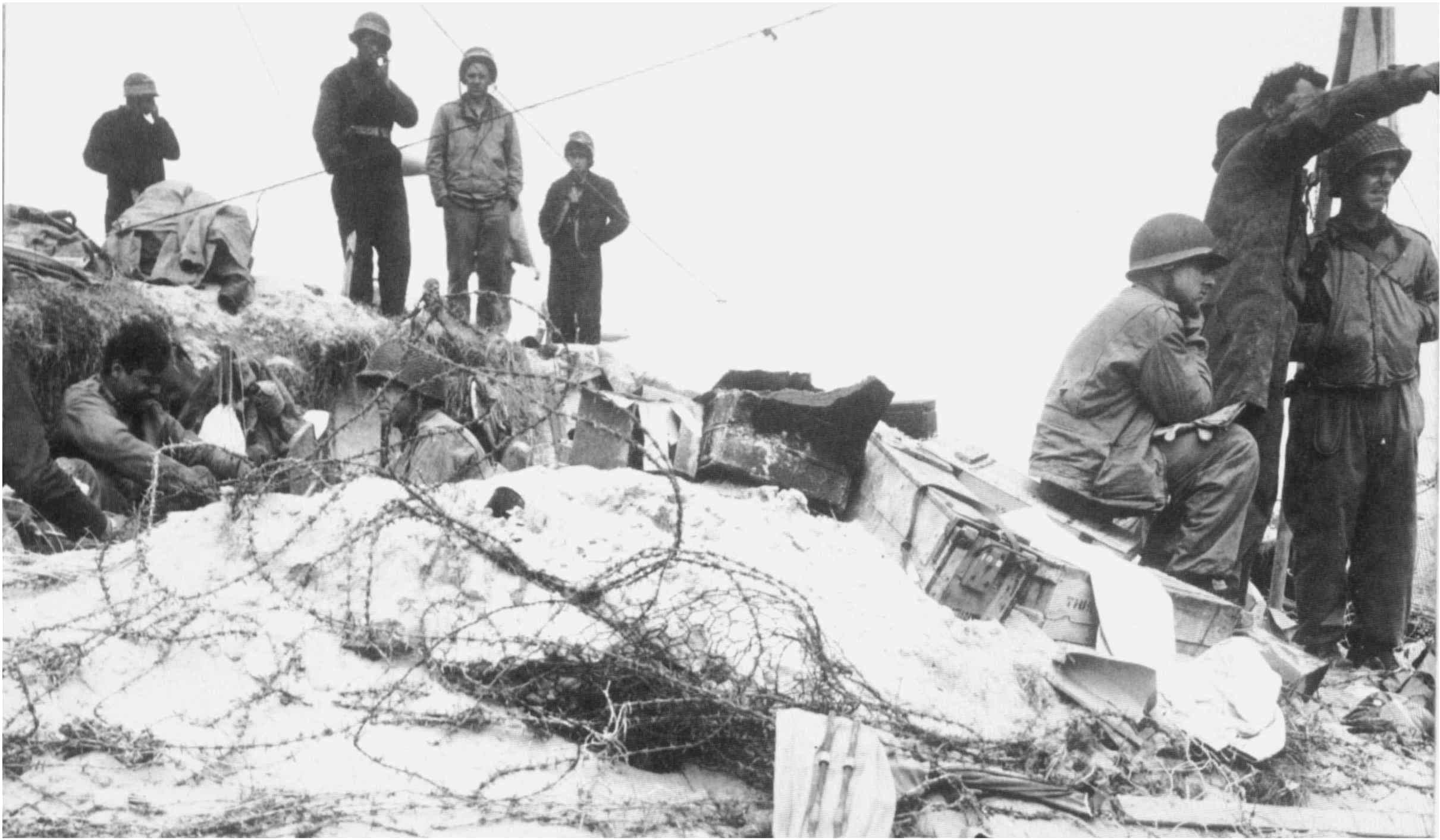
(details) A position of "Beachmaster", beach master.See this image in the photo library
(details) A position of "Beachmaster", beach master.

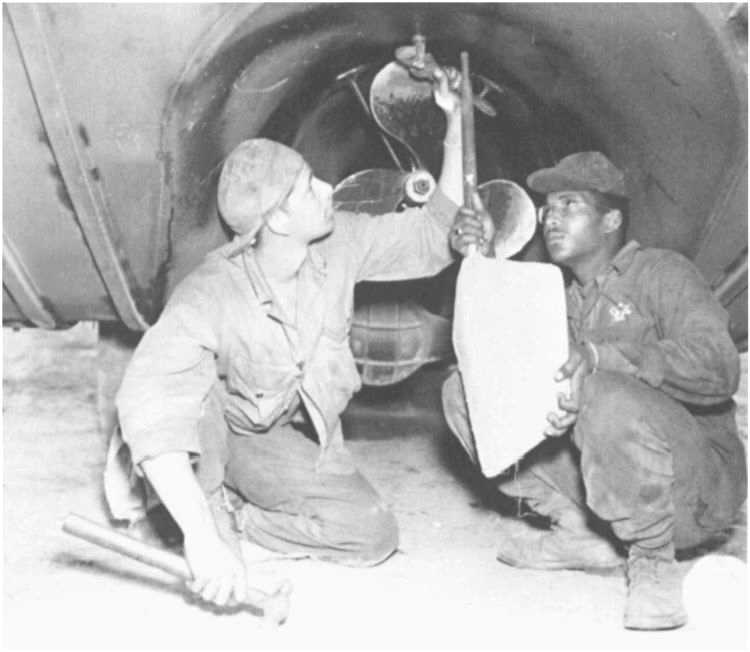
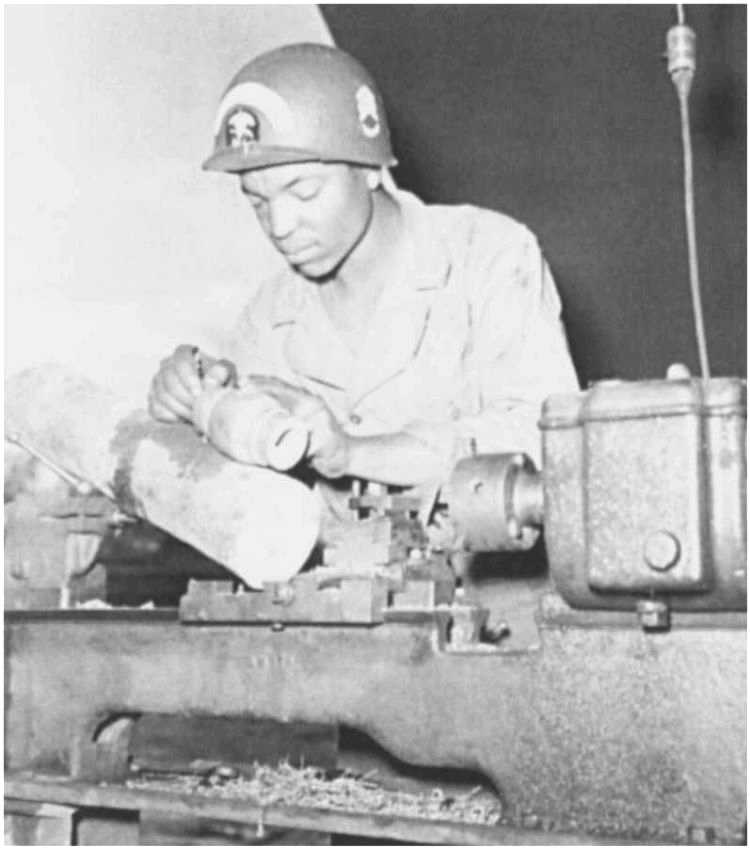
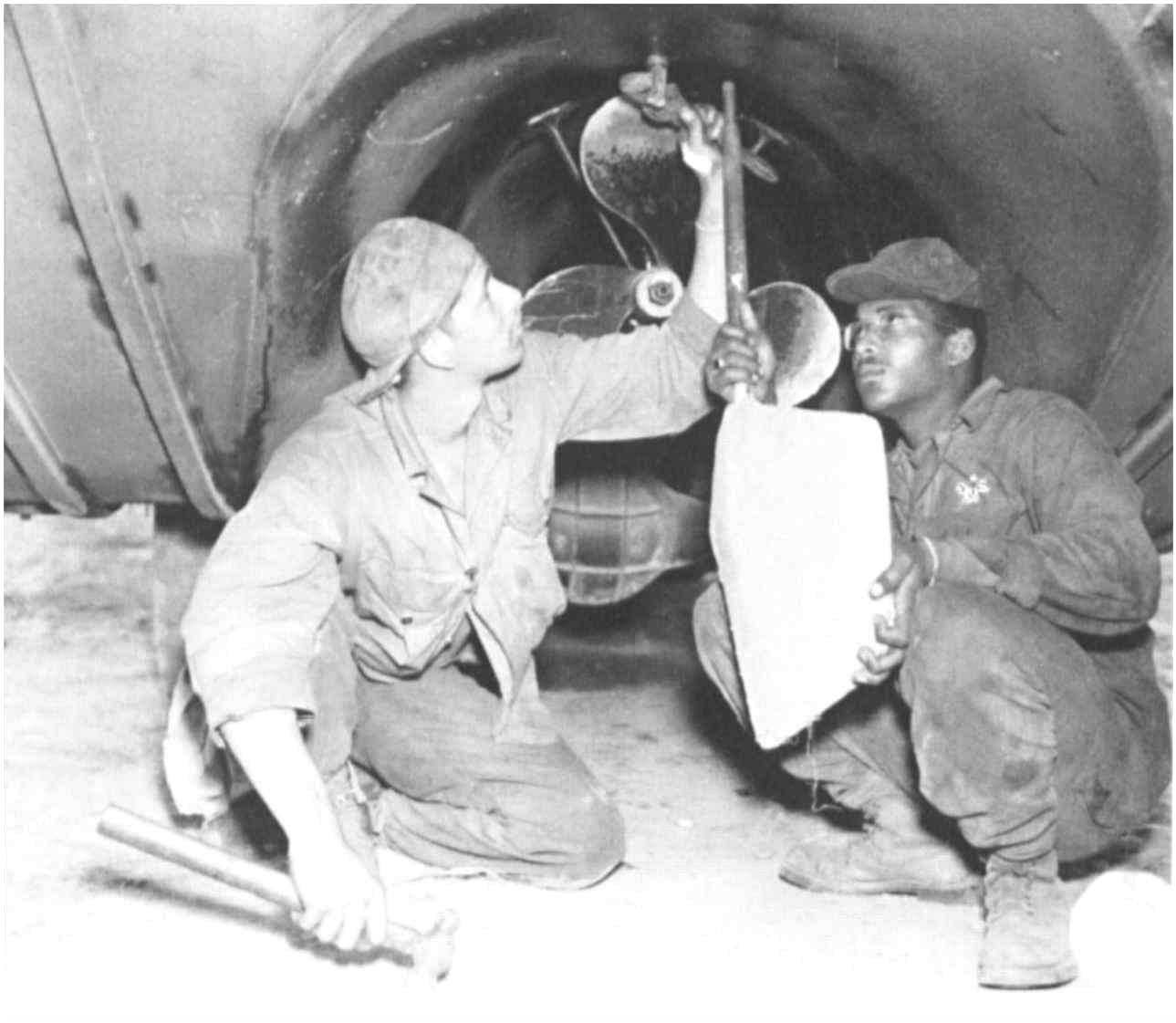
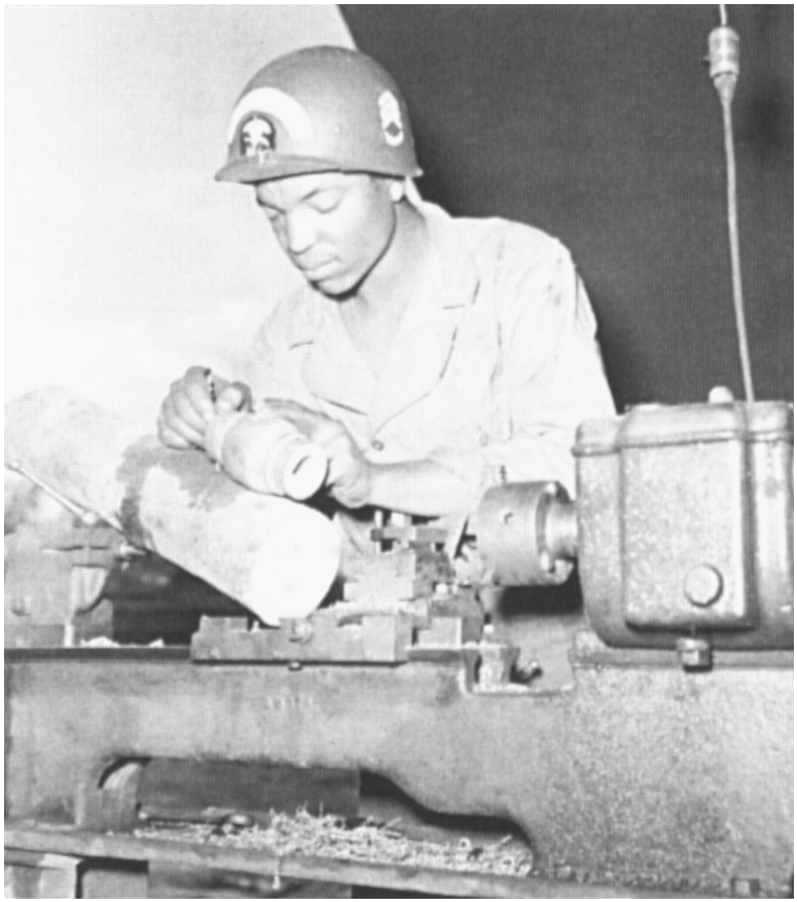
The maintenance workshops of the "ducks"

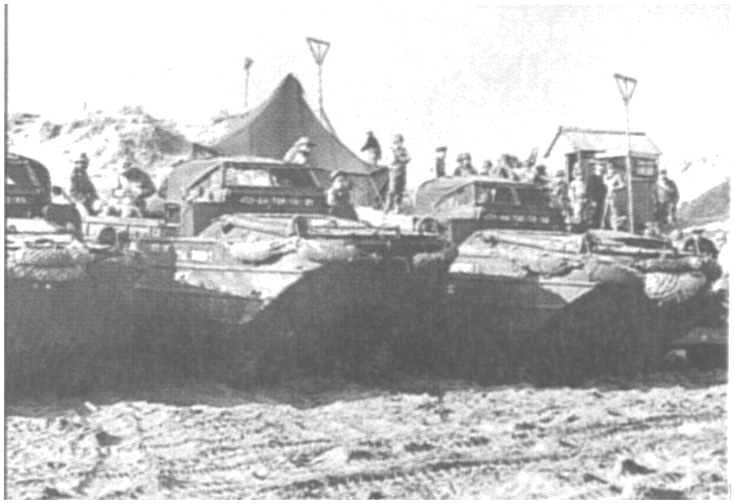
Amphibian truck companies were often made up of black American soldiers. At the time, segregation was normal in the US Army and the black units at Omaha Beach were those of the transport and the balloon battalion.
In the army, only a few fighting units were experimentally black (including a tank battalion). In the USNavy, however, there was no official segregation.
Beach marking (details) Location tower (details) A signaler at work (details) A position of "Beachmaster", beach master. The maintenance workshops of the "caSee this image in the photo library
The camp of a "canard" company

Original website reference: WebMulberry/85128-OperationsTerre.html. About the collection and its continuation.

Quick access to the collection

Find a document

Search document titles and texts.

All results →

Escape to close · The full search remains available without JavaScript.

The documentary collection
Enlarged document